Wondering whether Monroe, CT feels like the right fit for your next move? If you are looking for a suburban town with a steady pace, established neighborhoods, and everyday conveniences close to home, Monroe often stands out for exactly those reasons. Here is a practical look at what daily life in Monroe really feels like, so you can picture how the town might fit your routine. Let’s dive in.
Monroe Feels Residential and Rooted
Monroe sits in eastern Fairfield County and has a population of 19,341 based on the latest available Census estimate. The town covers about 26.4 square miles, which helps explain why it tends to feel spread out rather than crowded.
Daily life here is shaped by a mostly residential layout. The town’s zoning is heavily focused on one-, two-, and three-acre single-family residential districts, with a smaller multifamily share, so the overall feel is low-density and neighborhood-based.
That sense of stability shows up in the data too. ACS figures show 95.7% owner-occupied housing, 94.9% of residents living in the same house one year ago, and an average of 3.04 persons per household, all of which point to a community where many people stay put and build long-term routines.
The Pace Is Steady, Not Busy
If you prefer a quieter day-to-day setting over a fast-moving commercial center, Monroe may feel comfortable right away. It reads more like a suburban town organized around home life, errands, parks, and local events than a place built around dense nightlife or a major downtown district.
The town describes itself as maintaining New England character and charm while offering parks, restaurants, retail shopping, and a strong school system. In real life, that usually translates into a practical, predictable lifestyle where your week is shaped more by local routines than by constant bustle.
Getting Around in Monroe
Monroe is a car-oriented community, and that shapes everyday living in a big way. State Routes 25 and 111 run through town, making driving part of most residents’ normal routine.
ACS data shows a mean travel time to work of 34.1 minutes. For many buyers, that suggests Monroe can work well if you want a suburban home base and are comfortable planning your schedule around driving.
Monroe is also roughly 14 miles north of Bridgeport and about 70 miles east of New York City. That location helps place it within the broader Fairfield County map while still feeling distinctly residential.
Everyday Errands Stay Close to Home
One of the practical advantages of Monroe is that many routine errands can be handled in town. The official business listing shows a mix of retail, service, professional, and trade businesses that support daily needs without requiring a trip to a major shopping hub.
Current examples listed by the town include ALDI, A.S. Fine Foods of Monroe, Ace Cleaners, Aldini’s Restaurant, Angry Pepper, American Pie Pizzeria, Acoreana Vegan Cafe, and AJ and Nico’s Ice Cream. That mix suggests a town where groceries, takeout, casual dining, and basic services are part of the local landscape.
In everyday terms, Monroe tends to feel convenient without feeling overly commercial. You can usually take care of the basics nearby, then head back to a quieter residential setting.
Parks Shape the Lifestyle
Outdoor recreation is one of the clearest parts of Monroe’s identity. If your ideal routine includes time outside, the town offers several well-known places that support that kind of lifestyle.
Wolfe Park is a major local anchor, with 309 acres maintained by Monroe Parks & Recreation. It includes a swimming pool, hiking trails, tennis courts, soccer fields, basketball courts, ball fields, and picnic areas, which makes it a versatile everyday resource rather than a one-purpose park.
Within Wolfe Park, Great Hollow Lake adds even more options. It includes a bathhouse, swimming beach, pavilion, fishing and boating areas, a playground, picnic groves, and additional hiking trails.
Other recreation assets regularly named by the town include Webb Mountain Park, Lake Zoar, Lane’s Mine Park, and the Chalk Hill Nature Trail. Altogether, these spaces give Monroe a lifestyle that feels active, outdoorsy, and closely tied to local parks.
Community Events Add Local Rhythm
Monroe’s day-to-day character is not just about homes and roads. It also has a visible community rhythm built around events, seasonal activities, and civic participation.
The town’s current calendar includes CT 250 programming and Monroe Parks & Recreation events. Monroe also has a CT 250 commission planning 250th-anniversary events and activities, which shows an active effort to bring residents together around town life.
Community involvement appears in practical ways too. Monroe CERT members support the Memorial Day Parade, United Ride, and summer concerts and theater performances at Wolfe Park, which suggests local events are organized and well-supported rather than occasional extras.
Seasonal traditions also matter here. The town has certified the 2026 Monroe Farmers’ Market as a Connecticut Grown farmers’ market, adding another regular touchpoint to local life.
Housing Feels Established and Mostly Single-Family
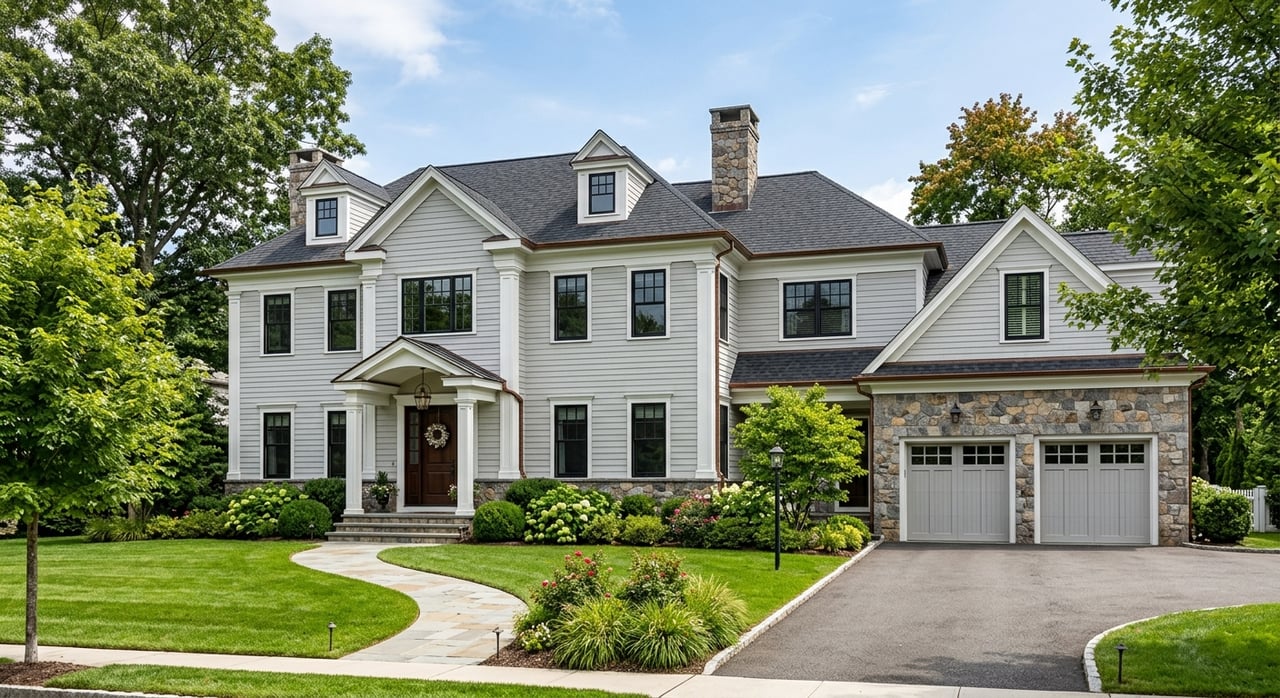
If you picture Monroe as a town of established suburban neighborhoods, the housing data supports that image. A town housing profile based on ACS data showed that 85.6% of housing units were 1-unit detached homes, with only small shares of attached and multifamily housing.
A large portion of the housing stock was built from the 1960s through the 1980s, with the 1980s representing the single largest decade in the sample. That often means you will find neighborhoods with mature trees, more established lot patterns, and homes that reflect earlier suburban development rather than new dense construction.
Because the town remains centered on larger-lot single-family districts, Monroe tends to appeal to buyers who want space and a more traditional suburban setting. It also means inventory may feel more focused on detached homes than on a wide mix of high-density housing choices.
Daily Life Often Centers on Local Anchors
In many towns, everyday life is spread across several different areas. In Monroe, key parts of the routine often stay local and connected.
Monroe Public Schools include Monroe Elementary, Stepney Elementary, Fawn Hollow Elementary, Jockey Hollow Middle School, and Masuk High School. Alongside the schools, the Edith Wheeler Memorial Library on Monroe Turnpike serves as another community anchor that fits naturally into daily life.
The town’s Senior Center adds another layer of support. It offers social, recreational, educational, wellness, and financial programming, along with curb-to-curb transportation for eligible residents to medical visits, shopping, the library, center programs, and more.
Taken together, these services help Monroe feel practical and community-based. School calendars, library visits, park time, and senior programs all sit within the same local rhythm.
Who Monroe May Appeal To Most
Monroe may be a strong fit if you are looking for:
- A mostly residential suburban setting
- Established neighborhoods with a high share of detached homes
- Larger-lot zoning and a lower-density feel
- Local parks and outdoor recreation woven into everyday life
- In-town options for errands, dining, and basic services
- A stable community where many residents stay long term
It may be especially appealing if you value predictability, space, and a routine centered more on neighborhood life than on a busy urban core.
What Everyday Living in Monroe Comes Down To
At its core, Monroe feels steady, residential, and community-oriented. It offers a combination of established housing, practical in-town amenities, active parks, and local events that create a lifestyle many buyers associate with classic suburban Fairfield County living.
If you are comparing towns in this part of Connecticut, Monroe is worth a close look for its balance of space, stability, and convenience. For buyers and sellers who want experienced local guidance on how Monroe fits into the broader Fairfield County market, working with a trusted advisor can make the next step much clearer.
If you are thinking about buying or selling in Monroe or a nearby Fairfield County town, connect with scott wright for experienced, local guidance tailored to your goals.
FAQs
What is the overall feel of everyday life in Monroe, CT?
- Monroe feels like a low-density, mostly residential suburban town with established neighborhoods, local parks, in-town errands, and a steady daily pace.
Is Monroe, CT more urban or suburban?
- Monroe is suburban. Its zoning is heavily weighted toward single-family residential districts, and the town reads more as a neighborhood-based community than a dense commercial center.
What kinds of homes are most common in Monroe, CT?
- Detached single-family homes are the most common housing type in Monroe, with a town housing profile showing 85.6% of units as 1-unit detached homes.
Are there parks and outdoor activities in Monroe, CT?
- Yes. Monroe includes recreation assets such as Wolfe Park, Great Hollow Lake, Webb Mountain Park, Lake Zoar, Lane’s Mine Park, and the Chalk Hill Nature Trail.
Can you do everyday errands in Monroe, CT?
- Yes. The town’s business mix includes grocery, dining, retail, and service businesses, which suggests many routine errands can be handled locally.
Is Monroe, CT a place where people tend to stay long term?
- Census and ACS figures suggest strong long-term stability, with 95.7% owner-occupied housing and 94.9% of residents living in the same house one year ago.