Wondering if Easton is the right match for your next move? If you are drawn to more space, a quieter setting, and a town with a strong rural identity, Easton may check a lot of boxes. At the same time, it is not the same kind of day-to-day experience you would get in Fairfield or Trumbull. This guide will help you weigh the tradeoffs, understand how Easton works, and decide whether its lifestyle fits the way you want to live. Let’s dive in.
What Easton feels like day to day
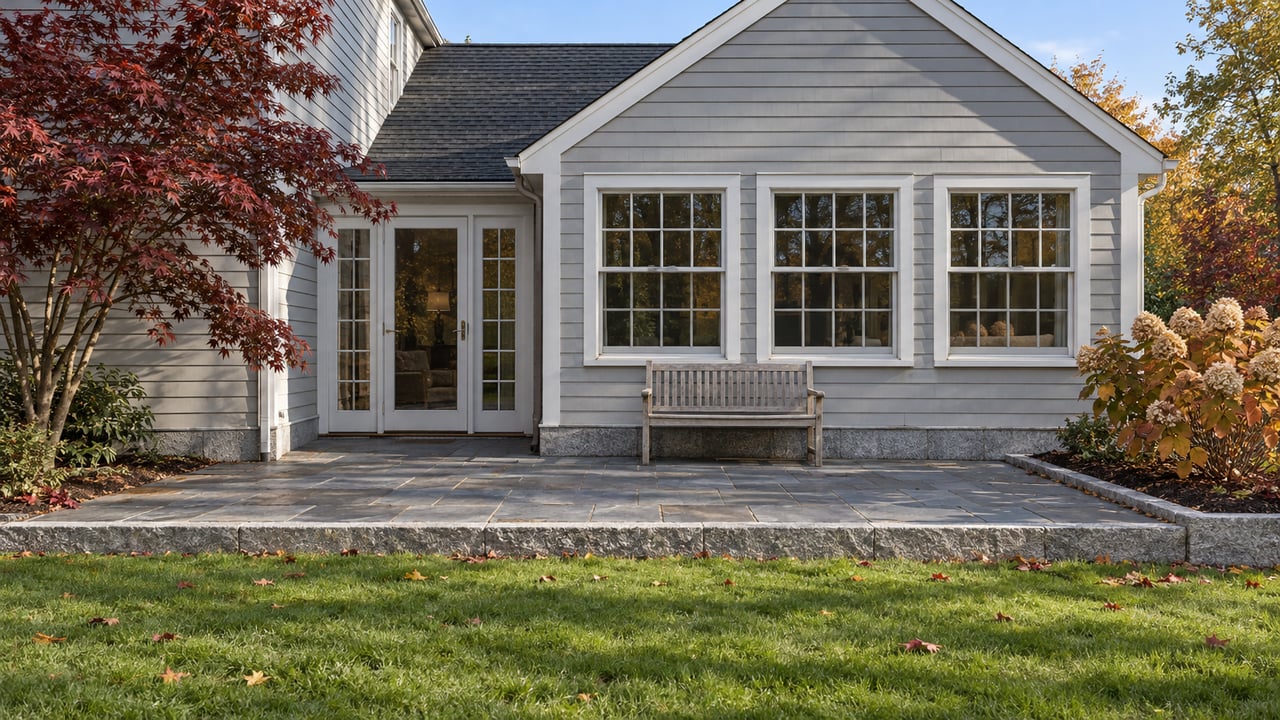
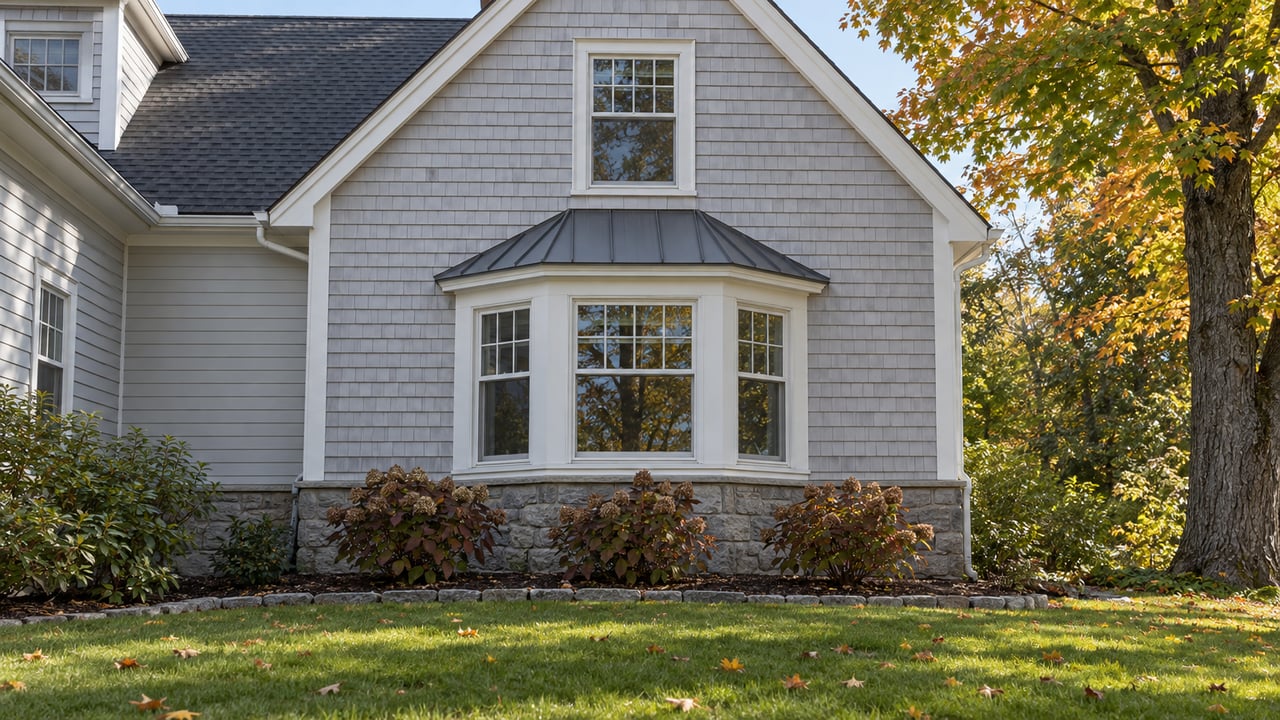
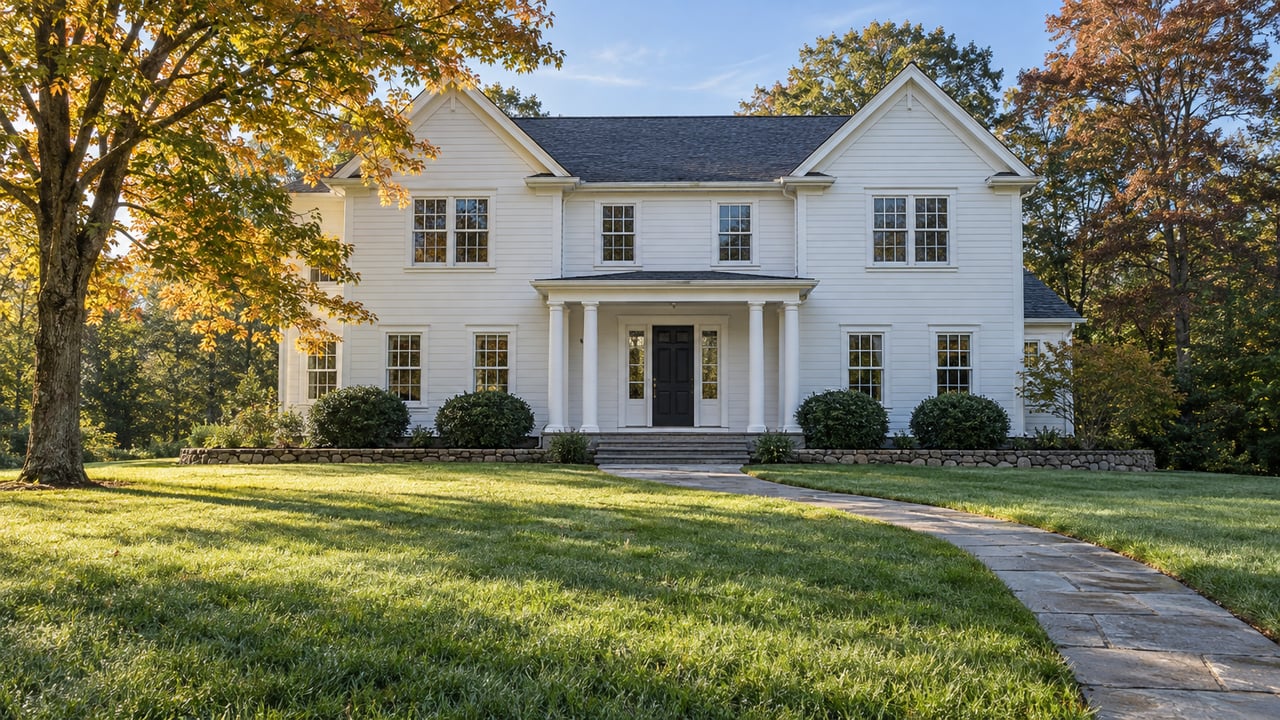
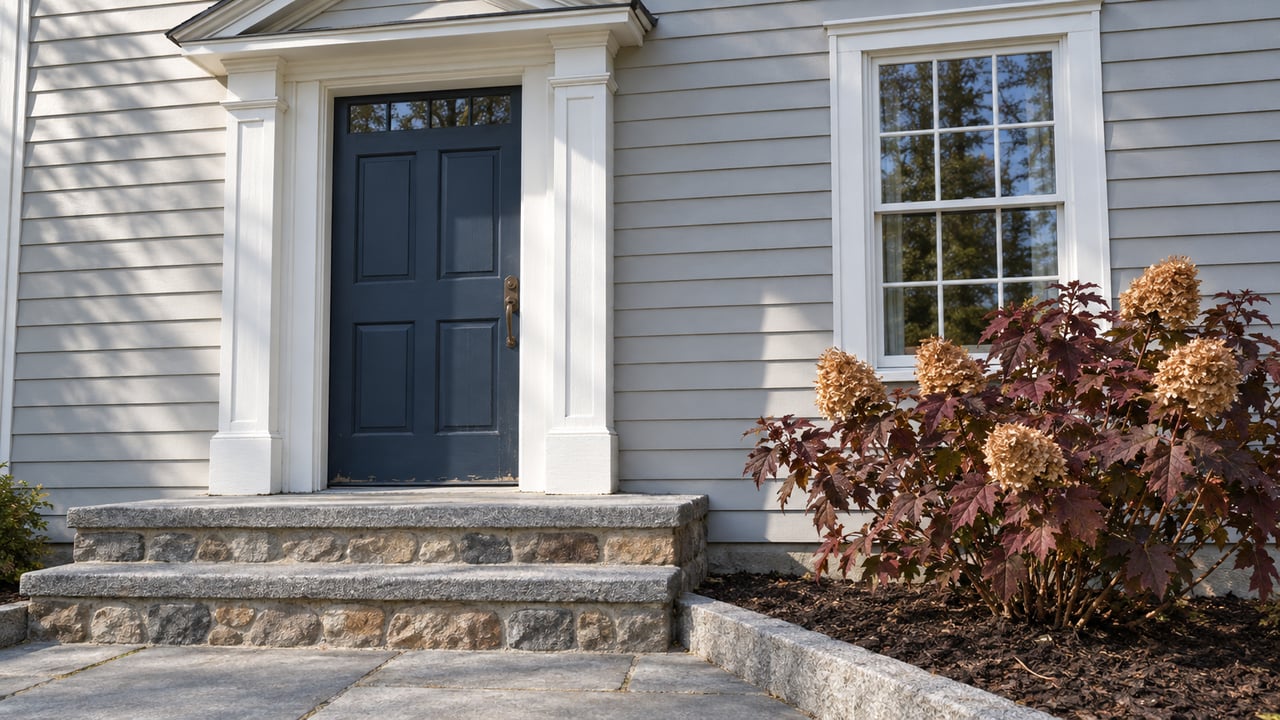
Easton is a small, low-density town in Fairfield County with a distinctly rural character. Official town materials describe it as a community with rural charm, more than one-third of its land permanently preserved, more than 20 working farms, streams, and four reservoirs. The town is also described as mostly residential property, farmland, and recreational open space with very little commercial development.
That shape matters when you picture daily life. Easton tends to appeal to buyers who want more breathing room, larger parcels, and a quieter environment. If you are looking for a landscape-driven setting rather than a busier suburban center, Easton stands out.
Geographically, Easton sits about 25 miles west of New Haven and about 50 miles northeast of New York City. It borders Redding and Newtown to the north, Monroe and Trumbull to the east, Fairfield to the south, and Weston to the west. That gives you regional access, but the town itself remains low-key and lightly built.
Why privacy is a big draw
One of Easton’s strongest selling points is privacy. Because the town is low density and much of its land is residential, preserved, or agricultural, homes often come with a greater sense of separation than you might find in more built-out towns nearby. For many buyers, that is the whole point.
Easton’s population is roughly 7,600 across 27.42 square miles, or about 277 people per square mile. Town reporting also describes density as generally between 200 and 350 people per square mile, reinforcing its rural classification. Compared with denser neighboring towns, Easton offers a very different visual and lifestyle experience.
If your idea of comfort includes open space, mature landscapes, and less activity right outside your door, Easton may feel like a natural fit. If you prefer a more connected, errands-on-the-way kind of routine, the town’s spread-out layout may feel less convenient.
What you give up for that quiet setting
The biggest tradeoff in Easton is convenience. With very limited commercial development, you should expect fewer in-town options for shopping, dining, and everyday services. That does not mean the region is hard to access. It means your routine is more likely to involve getting in the car.
For many buyers, that is an easy trade when the payoff is land, privacy, and a calmer setting. For others, especially those who want walk-to amenities or a more active town center, Easton can feel too quiet. Your comfort level often comes down to how much you value space versus immediacy.
This is why Easton is often best for buyers who already know they want a quieter home base. It rewards people who are choosing the setting on purpose, not just choosing a house.
Schools in Easton: what to expect
If schools are part of your move decision, Easton has a straightforward structure. The Easton School District is a small PK-8 district with two schools: Samuel Staples Elementary School for PK-5 and Helen Keller Middle School for grades 6-8. NCES reports enrollment of 606 students at Samuel Staples Elementary School and 287 students at Helen Keller Middle School.
For high school, Easton students move into Joel Barlow High School through Region 9, which Easton shares with Redding. Easton’s board notes that the town shares Joel Barlow High School with Redding, and ER9 reports a total of five schools and 2,516 students across Easton, Redding, and Region 9. NCES classifies Easton’s two local schools as Rural, Fringe.
For buyers who like the idea of a small-school setup, that structure can be appealing. It may be less attractive if you are looking for a larger, more commercially concentrated suburban environment. The right fit depends on the kind of school and town setting you want around your home search.
Commuting from Easton
Easton is best understood as a drive-first town. Its land use, lower density, and limited commercial footprint make car travel part of everyday life. Most errands, appointments, and commuting routines are likely to involve driving rather than walking or relying on in-town transit options.
That said, Easton is not cut off from the region. The practical difference is that you have less immediate access to rail stations, in-town shopping, and walkable amenities than you would in places closer to the shoreline or major rail corridors. For remote, hybrid, or flexible commuters, that setup can work very well.
If your schedule depends on easy rail access or if you want a faster path to frequent errands without driving, Easton may feel less efficient. This is one of the clearest decision points for buyers comparing Easton with Fairfield or Trumbull.
Easton vs. Fairfield
Fairfield offers a much more connected and amenity-rich environment. The town’s 2024 annual report places Fairfield at about 61,512 residents across 31.3 square miles, or roughly 1,965 people per square mile. Fairfield is described as primarily residential but with significant commercial development, and it is served by I-95, the Merritt Parkway, Metro-North, and three rail stations.
That profile suits buyers who want a more walkable suburban setting, more daily conveniences, and easier rail access. If your ideal routine includes restaurants, retail, and stronger transit connections close to home, Fairfield may be the better match. If your top priority is space and a quieter setting, Easton will likely feel more aligned.
In simple terms, Fairfield gives you more activity and accessibility. Easton gives you more room and a more rural pace.
Easton vs. Trumbull
Trumbull tends to sit in the middle. Its 2024 town profile reports 36,922 residents on 23 square miles, or roughly 1,605 people per square mile. Planning documents describe Trumbull as a residential suburb where most residents continue to rely on cars, while Greater Bridgeport Transit serves the town and many residents drive to rail stations.
That makes Trumbull a practical option for buyers who want more suburban convenience and more retail and service access than Easton, but do not need Fairfield’s stronger rail and downtown-style advantages. Trumbull is still car-oriented, but it is more built out and commercially active than Easton.
If Easton feels too rural and Fairfield feels too busy, Trumbull may offer a middle-ground lifestyle. It can be a strong fit for buyers who want a suburban rhythm with easier everyday errands.
Who Easton fits best
Easton tends to work best for a specific kind of buyer. In most cases, the strongest fit includes people who are intentionally prioritizing setting over convenience.
You may be a strong fit for Easton if you want:
- More privacy and larger lots
- A quieter environment with farmland and open space nearby
- A small PK-8 district with a shared regional high school path
- A home base that works well for remote, hybrid, or flexible commuting
- A lower-density town with very limited commercial development
When those priorities line up, Easton can be a very compelling choice. The town offers a distinct lifestyle that is hard to duplicate in more built-up parts of Fairfield County.
Who may prefer Fairfield or Trumbull
Easton is not for everyone, and that is a good thing. The goal is not to force a fit. It is to find the town that supports your real daily routine.
You may prefer Fairfield or Trumbull if you want:
- More walkability and easier day-to-day errands
- More restaurants, retail, and local services nearby
- Easier rail commuting or closer access to train stations
- A busier suburban environment with more commercial activity
- Less dependence on driving for daily life
Fairfield is usually the choice for buyers who want the strongest mix of amenities and transit access. Trumbull often fits buyers who still expect to drive but want a more built-out suburban environment than Easton offers.
Questions to ask before you choose Easton
Before you decide, it helps to be honest about your weekly routine. The home may be beautiful, but the town has to support the way you actually live. A few simple questions can make the decision much clearer.
Ask yourself:
- How important is privacy compared with convenience?
- Are you comfortable driving for most errands?
- Do you want a small-town, rural-feeling setting?
- Does the PK-8 plus regional high school structure fit your plans?
- Would you be happier in a more active suburban environment?
If your answers lean toward space, quiet, and a slower pace, Easton may be exactly what you are looking for. If they lean toward connection, walkability, and faster access to amenities, Fairfield or Trumbull may be a better fit.
The bottom line on Easton living
Easton is the most rural and land-oriented option among Easton, Fairfield, and Trumbull. It offers preserved land, working farms, open space, and a quieter everyday setting with very limited commercial development. For the right buyer, that is a major advantage, not a drawback.
The key is knowing what you want your daily life to feel like. If you are searching for room to spread out and you are comfortable with a drive-first routine, Easton deserves a serious look. If you want easier rail access, more shopping, and a more built-up suburban rhythm, you may be happier in Fairfield or Trumbull.
If you are weighing Easton against other Fairfield County towns, scott wright can help you compare options, narrow your priorities, and find the right fit for the way you live.
FAQs
What is Easton, CT like for everyday living?
- Easton is a low-density Fairfield County town with a rural character, more than one-third of its land permanently preserved, more than 20 working farms, and very limited commercial development.
How much privacy can you expect in Easton, CT?
- Easton’s lower density, about 277 people per square mile based on town figures, generally supports a quieter setting with more separation between homes than denser nearby towns.
What is the school path in Easton, CT?
- Students attend Samuel Staples Elementary School for PK-5, Helen Keller Middle School for grades 6-8, and then Joel Barlow High School through Region 9, which Easton shares with Redding.
Is Easton, CT good for commuters?
- Easton is best for buyers who are comfortable with a drive-first routine, especially remote, hybrid, or flexible commuters who do not need immediate rail access or walk-to amenities.
How does Easton compare with Fairfield, CT?
- Easton is quieter, more rural, and more land-oriented, while Fairfield is denser, has more commercial development, and offers stronger rail and roadway connections.
How does Easton compare with Trumbull, CT?
- Easton is more rural and less commercially built out, while Trumbull offers a more typical suburban environment with greater retail and service access, though it is still largely car-oriented.
Who is usually the best fit for Easton, CT?
- Easton often fits buyers who prioritize privacy, larger lots, open space, and a quieter environment over walkability and in-town convenience.