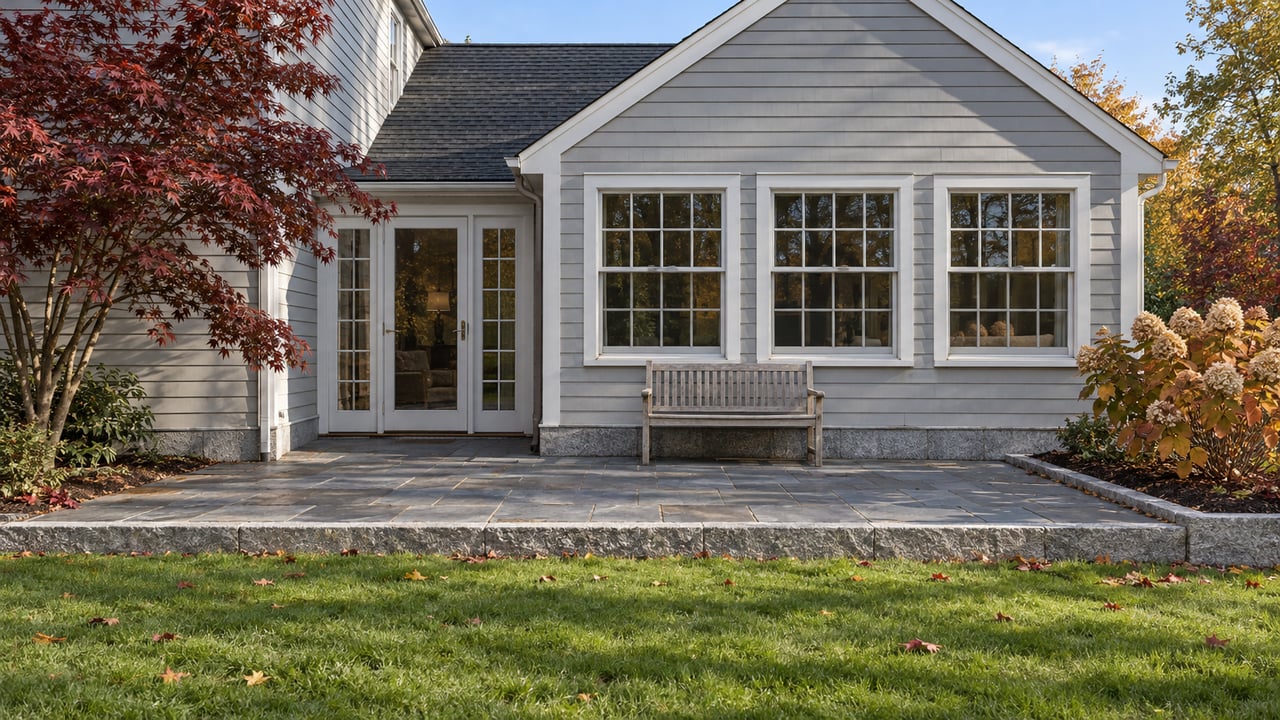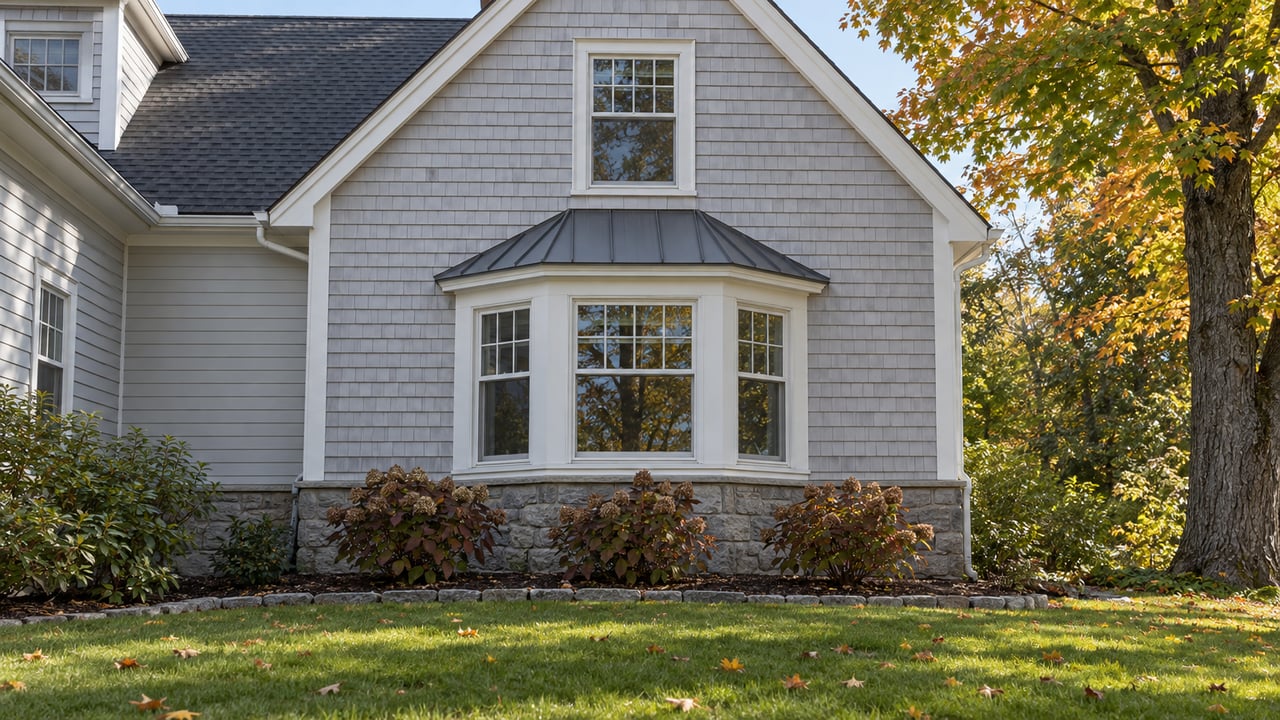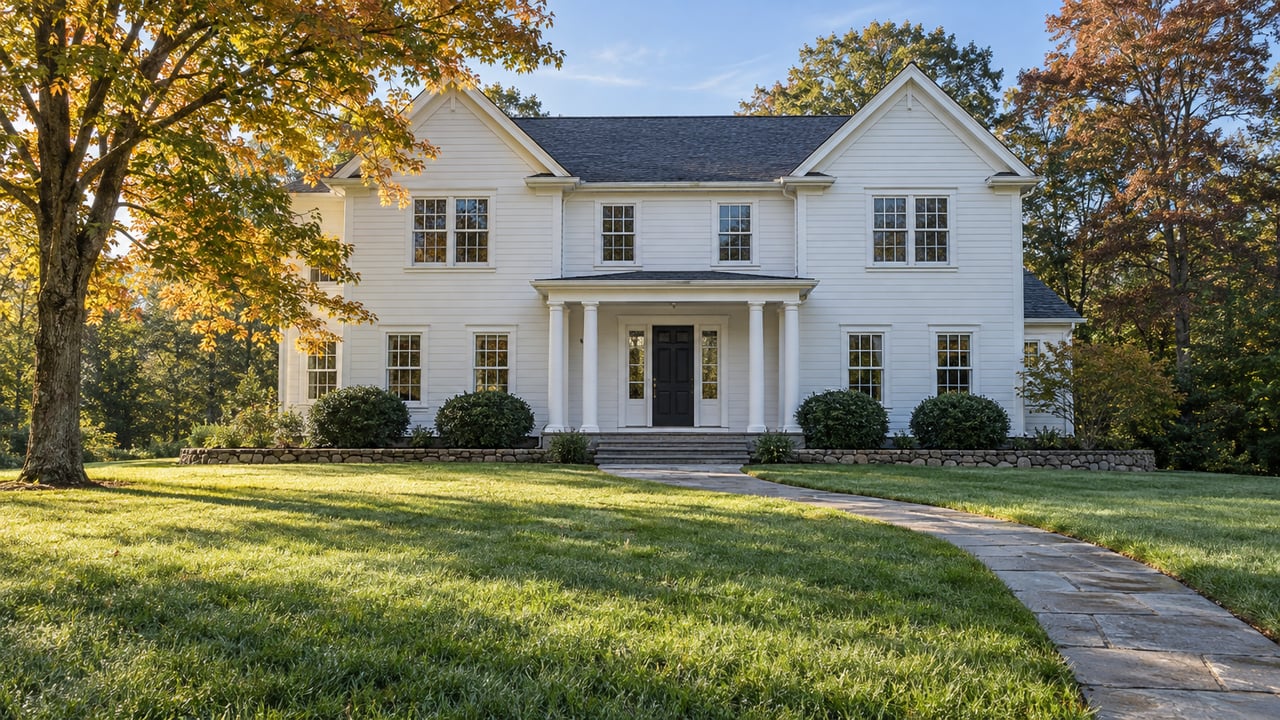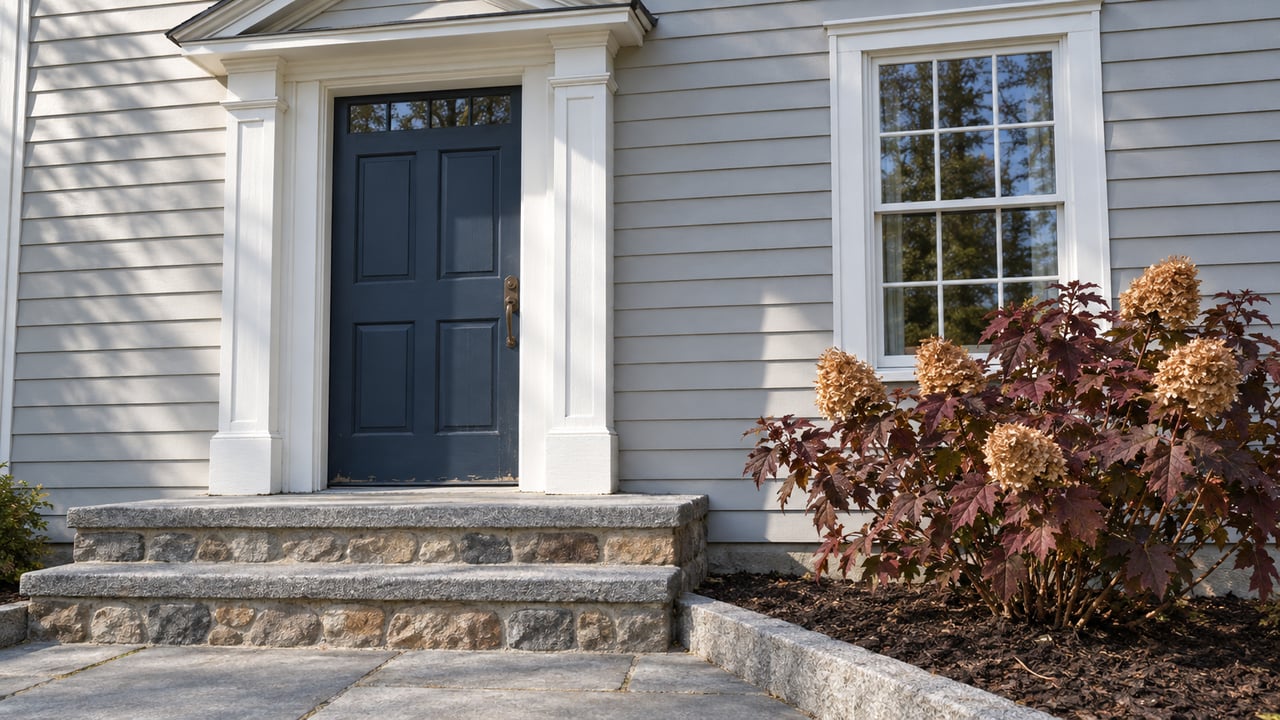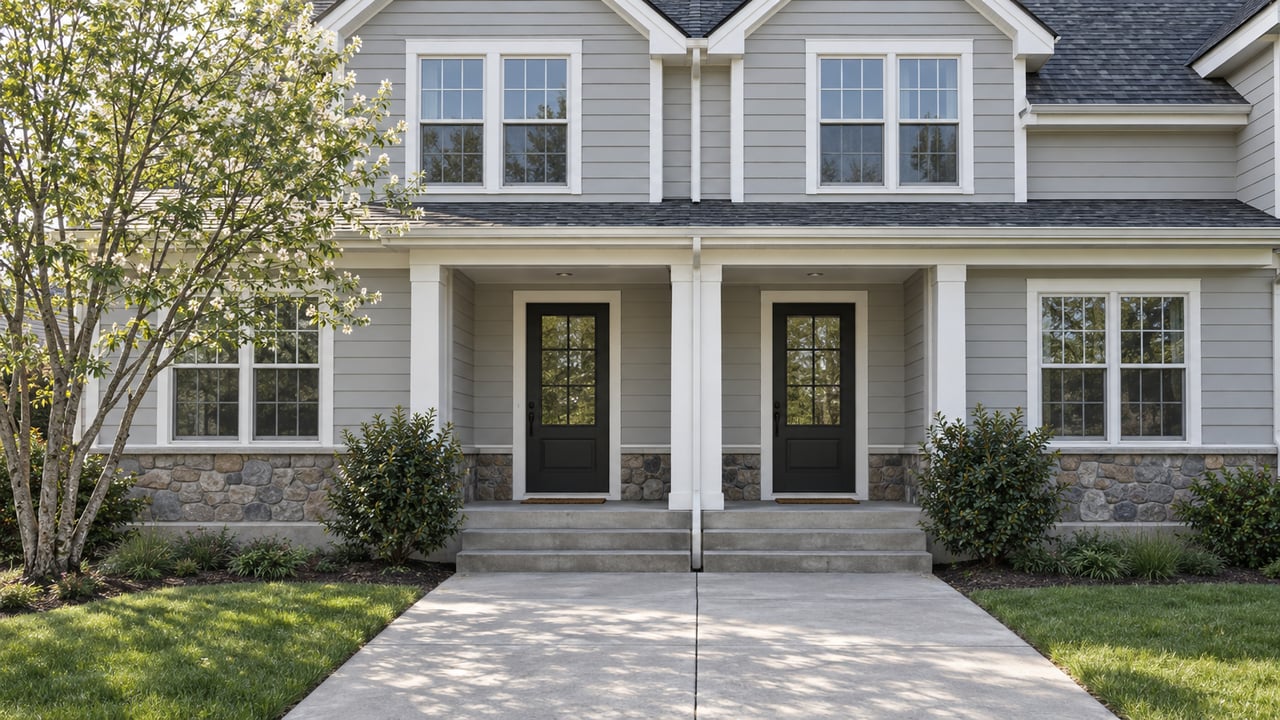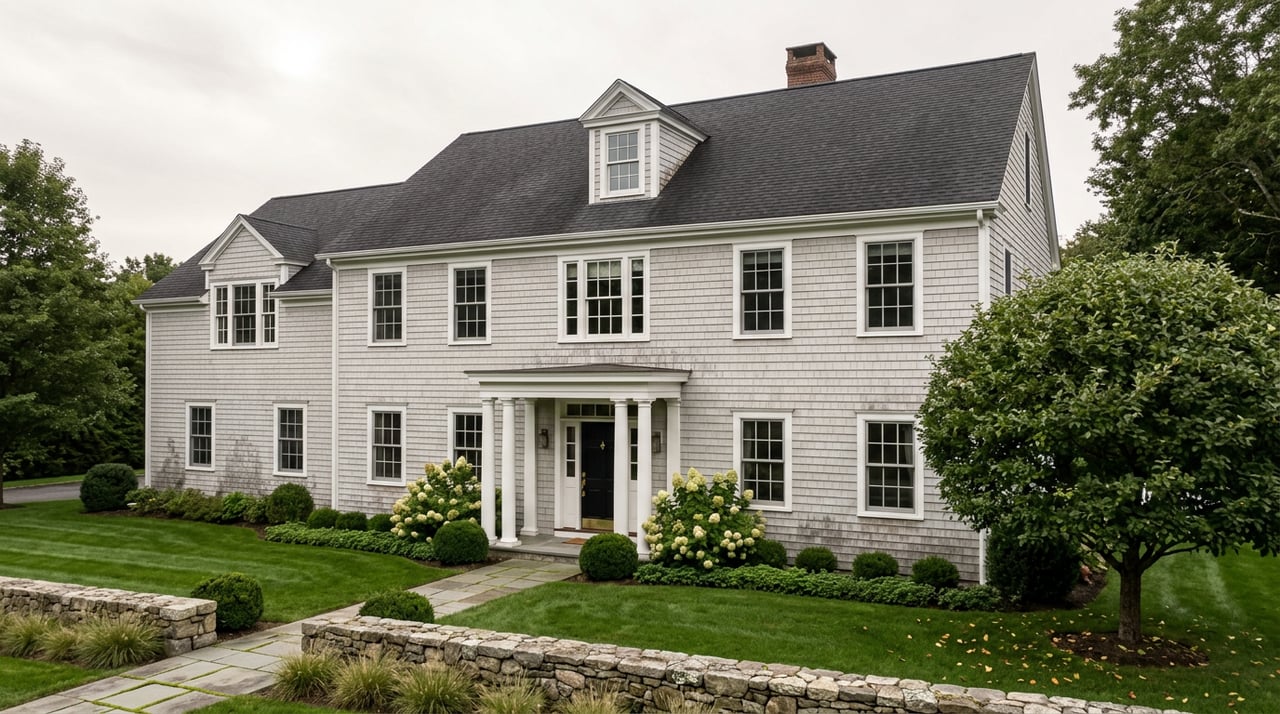
A Citizen Portal report quoted a project representative: "We're proposing to put a pent roof over that stoop and it would have a wood shingle roof."
The proposal was for a fairly modest exterior update at a house on Beach Road this past August, when it came before Fairfield's Historic District Commission. The commission approved it that same meeting, along with a new storm door, a small addition replacing an old screen porch, brick stoops, wood windows, and copper gutters. One hearing, one vote, done.
As reported by Citizen Portal, back in the spring of 2025, a different owner learned the opposite lesson. A single kitchen window at a condo on Main Street needed replacing. Nothing structural, nothing visible from more than a few feet away. The commission still required a full application with a plot plan, missed the filing deadline for that month's agenda, and had to grant a preliminary go-ahead just so the owner wouldn't lose the whole season waiting for the next hearing.
Same commission. Same town. Two very different timelines. The variable wasn't the size of the project. It was whether the paperwork was ready before the meeting.
If you're buying, or already own, a house in Greenfield Hill, Southport, or the Old Post Road district near downtown, this is the part of Fairfield real estate that doesn't show up in a listing sheet. The house comes with a permitting layer the rest of town doesn't have, and it applies to more than additions and demolitions. It applies to windows, doors, siding, roofing, fences, and even hardscape and lighting.
Three Small Districts, One Big Permit Step
Fairfield has three local historic districts: Greenfield Hill, centered on the green bounded by Hillside Road, Old Academy Road, and Bronson Road, Southport, running along the Mill River and Southport Harbor, and Old Post Road, wrapping the older core near downtown. All three were established in the 1960s under Connecticut's 1961 historic district enabling statute, among the first such districts created in the state, and all three are administered by the Town's Historic District Commission.
The commission's own handbook is direct about what triggers its review: any exterior change visible from a public street, way, or place needs a Certificate of Appropriateness, or a written letter from the commission stating that none is required. That includes new construction and demolition, but it also includes the ordinary maintenance items that most homeowners elsewhere in Fairfield handle with a same-week contractor visit.
If you're not sure whether a specific address falls inside one of the three boundaries, the Town's Building Department and the Historic District Commission page maintain the maps. It's worth checking before you write an offer with a renovation contingency, not after.
What Counts As "Visible From The Street"
The commission's authority is tied to visibility from the public way, and it reaches further than most buyers expect. Regulated work includes:
- Window and door replacement
- Siding and exterior materials
- Roofing, including reroofing
- Additions and new construction
- Fences and walls
- Hardscape and exterior lighting, temporary or permanent
- New or altered parking areas
The Connecticut General Assembly's Office of Legislative Research notes one detail in the enabling statute that surprises almost everyone: the style, material, and placement of things like signs and light fixtures fall under the commission's control, but the color of paint on the outside of a building specifically does not. You can repaint a historic-district house whatever color you want without a certificate. Change the storm door, and you need one.
The Small Job That Took Longer Than The Big One
Go back to that Main Street kitchen window. The owner needed a plot plan showing the window's location and images of the proposed replacement design, because the window faced a public lane and was therefore within the commission's jurisdiction even though it was a single opening on an apartment unit. The April filing deadline had already closed by the time the application was ready, which pushed the formal hearing to May. The commission gave a preliminary nod to a two-pane wood casement design so the owner could start before the formal certificate was issued, but the paper trail still had to close out at the next meeting.
Compare that to the Beach Road project approved on August 13. It bundled a pent-roof stoop, a new storm door built to match the existing frame, an addition replacing a screen porch, brick stoops with bluestone treads, new wood windows, and copper gutters, and it went through as a single approval because the application arrived complete: materials specified, elevations drawn, the whole scope laid out at once.
The pattern here isn't about project size. It's about whether the paperwork matches what the commission needs to see before it can vote, which usually means a plot plan or measured elevations of the affected facade rather than a rough sketch or a verbal description at the podium.
The State Law Behind The Handbook
The Certificate of Appropriateness requirement isn't a town custom. It comes from Connecticut General Statutes governing local historic districts, and Fairfield's own handbook points to that statute directly: a town cannot issue a building permit for regulated exterior work until the commission issues a certificate, and proceeding without one exposes an owner to monetary penalties or legal action.
State law also sets the outer edges of how the process runs. The commission has 65 days from filing to act. Any decision can be appealed to Superior Court. The commission can also grant a variance.
None of this makes the process adversarial. It makes it procedural, and procedural steps are exactly the kind of thing you want mapped out before closing, not discovered the week you're trying to get a roofer scheduled before winter.
Why Greenfield Hill Buyers Hit This More Often
Here's where the market data actually changes the calculation. Greenfield Hill isn't just historically designated, it's also a distinct submarket within Fairfield's broader numbers. It's defined by acre-plus lots, old stone walls, orchard land, and a low rate of turnover. When something does list there, buyers move on it fast, because inventory in that specific pocket doesn't sit.
Fairfield as a whole has been a fast, competitive market through 2026. One countywide tracker put the town's median sale price at roughly $1.13 million as of July 2026, up sharply from a year earlier, with homes averaging about 29 days on market. A snapshot from early September 2026 told a slightly different short-term story, showing the median easing back a bit compared to the same point last year while supply stayed under three months of inventory and homes still moved from list to contract in around 30 days. Read together, both point to the same underlying condition even if the month-to-month direction of the median wobbles: tight supply, quick contracts, and very little room for a buyer to sit on a decision.
Greenfield Hill sits above that town median, and its turnover is lower still. That combination, older large-lot homes plus scarce inventory plus buyers who tend to want to put their own stamp on a place once they own it, means a disproportionate share of the renovation projects that need a Certificate of Appropriateness are going to originate in exactly the neighborhood where the houses are oldest and the district rules are most active. If you're bidding on a Greenfield Hill property with plans to redo the windows or add a mudroom, you're not just buying the house. You're buying a permitting step the rest of Fairfield's buyers don't have to plan around.
Before You Write The Offer
A few things worth doing before you're under contract on a house in any of the three districts:
- Confirm the address is actually inside the district boundary with the Building Department, since district lines don't always follow what feels intuitive from the street.
- Ask the seller whether any exterior work was done recently, and whether a Certificate of Appropriateness exists for it. Work done without one can complicate your own future applications.
- If you already know you want to touch the exterior, start collecting measured elevations of the affected facades early. The commission needs to see what exists before it can evaluate what you're proposing, and that's the step that ate a full month on the Main Street window.
- Build the commission's monthly meeting cadence into your renovation timeline, not your closing timeline. A complete application can clear in one hearing. An incomplete one waits for the next one.
Quick Answers
Does a shed need a Certificate of Appropriateness? If it's visible from a public street or way, yes, it falls under the same exterior-change rule as an addition or a fence.
Can I paint my historic-district house any color I want? Yes. Connecticut's enabling statute specifically excludes paint color from the commission's authority, even though nearly every other exterior material and feature is included.
What happens if I do the work first and apply after? The town's handbook and the underlying statute both point to the same answer: proceeding without a certificate can mean monetary penalties or legal action.
Buying into Greenfield Hill, Southport, or the Old Post Road district isn't a reason to hesitate. These are three of the most distinctive pockets of Fairfield real estate, and the extra step is manageable once you know it's coming. It just needs to be part of the plan from the first walkthrough, not a surprise from the building department after closing.
If you're weighing a purchase in one of Fairfield's historic districts, or you already own there and want a clearer read on what your house is worth given how tight this market has stayed through 2026, Scott Wright can walk you through both sides of it. Get your free home valuation and start the conversation with someone who already knows which paperwork comes with the house.
This article is general information, not legal, tax or financial advice. Consult a qualified professional about your situation.