Wondering why some Trumbull luxury homes attract strong interest right away while others sit longer than expected? In an upper-tier market, buyers notice everything, from first impressions to paperwork readiness. If you want to protect your price and avoid preventable friction, the best move is to prepare your home well before it hits the market. Let’s dive in.
Why preparation matters in Trumbull
Trumbull remains a seller-leaning market, but that does not mean you can skip the details. Realtor.com’s April 2026 summary shows a median listing price of $700,000, a median sold price of $748,000, 78 active listings, and a median 32 days on market, with Trumbull still classified as a seller’s market.
At the same time, upper-tier homes play by a different set of rules. In the broader Bridgeport-Stamford-Danbury metro, the top 10% luxury entry point reached $4,339,500 in April 2026. That means buyers shopping higher-end homes in and around Trumbull often compare your property against a regional standard with elevated expectations for condition, presentation, and documentation.
Luxury sellers should also expect a more deliberate timeline. Realtor.com reported national luxury homes taking a median 52 days to sell in April 2026. Even in a healthy market, a thoughtful launch usually performs better than a rushed one.
Start with inspection and paperwork
Before you think about photos or pricing, get clear on your home’s condition and records. This step helps you spot issues early, decide what to fix, and reduce surprises once buyers start asking questions.
Order a pre-list inspection
A pre-list inspection is one of the smartest first steps. NAR notes that inspections often uncover structural or foundation concerns, drainage problems, faulty wiring, HVAC issues, and missing or inadequate smoke or carbon monoxide detectors.
When you learn about those items before listing, you stay in control. You can repair them, price around them, or prepare documentation so negotiations feel more predictable. That matters even more in a competitive environment where some buyers may move quickly.
Gather Connecticut disclosure documents
In Connecticut, the Residential Property Condition Report must be furnished before a buyer signs a binder, contract, option, or lease with a purchase option for residential real property of four dwelling units or less. The Connecticut Department of Consumer Protection also notes that if the seller fails to provide it, the buyer is entitled to a $500 closing credit.
The form is not a warranty and does not replace inspections, but it is a key part of being prepared. If your home has a more complex history, it is also worth checking whether the separate Residential Foundation Condition Report could apply in your situation.
Assemble permits and service records
Buyers at the luxury level often want proof, not just promises. Gather permit records, contractor invoices, service receipts, appliance manuals, and warranties before your home goes live.
The Connecticut property condition materials specifically advise buyers to confirm permits and certificates of occupancy with the municipal building official. When you already have your records organized, you can answer questions faster and inspire more confidence.
Check lead paint rules for older homes
If your home was built before 1978, lead-based paint disclosure rules generally apply to most sales of that housing. Sellers and agents must disclose known lead hazards, provide the current EPA pamphlet, and give buyers a 10-day inspection or risk-assessment window.
If you plan repainting or remodeling before listing, Connecticut public health guidance says to use lead-safe practices and qualified firms. For an older luxury home, careful prep is especially important because buyers expect improvements to be done responsibly.
Repair what buyers notice most
Not every project deserves your time or money before selling. The goal is not to renovate everything. The goal is to remove objections and make the home feel well maintained.
Prioritize mechanical and safety issues
Start with the biggest concerns first. If the inspection points to electrical, HVAC, drainage, structural, or safety-related issues, address those items before moving on to cosmetic work.
These are the problems most likely to interrupt a transaction or create last-minute renegotiation. A polished kitchen will not offset a buyer’s concern about systems that appear neglected.
Focus on high-visibility cosmetic updates
Once major issues are handled, turn to cosmetic improvements that shape buyer perception. In Trumbull listing data cited by Redfin in spring 2026, features associated with stronger sale-to-list performance included a new kitchen, stone fireplace, soaker tub, French doors, and cul de sac setting.
That does not mean you need a full remodel. It does suggest that kitchens, primary baths, fireplaces, and key architectural features should look clean, current, and carefully maintained.
Refresh, do not over-customize
Luxury buyers usually respond best to homes that feel finished but not overly personal. Fresh paint, updated light fixtures, repaired trim, clean grout, and polished hardware can go a long way.
Aim for a look that feels bright, tidy, and move-in ready. In Trumbull’s upper-tier market, buyers are often paying for ease as much as square footage.
Deep clean and declutter thoroughly
A luxury home should never feel crowded, tired, or overly lived in during showings. Deep cleaning and decluttering are essential because they help buyers focus on space, light, and finishes instead of your daily life.
Remove distractions from every room
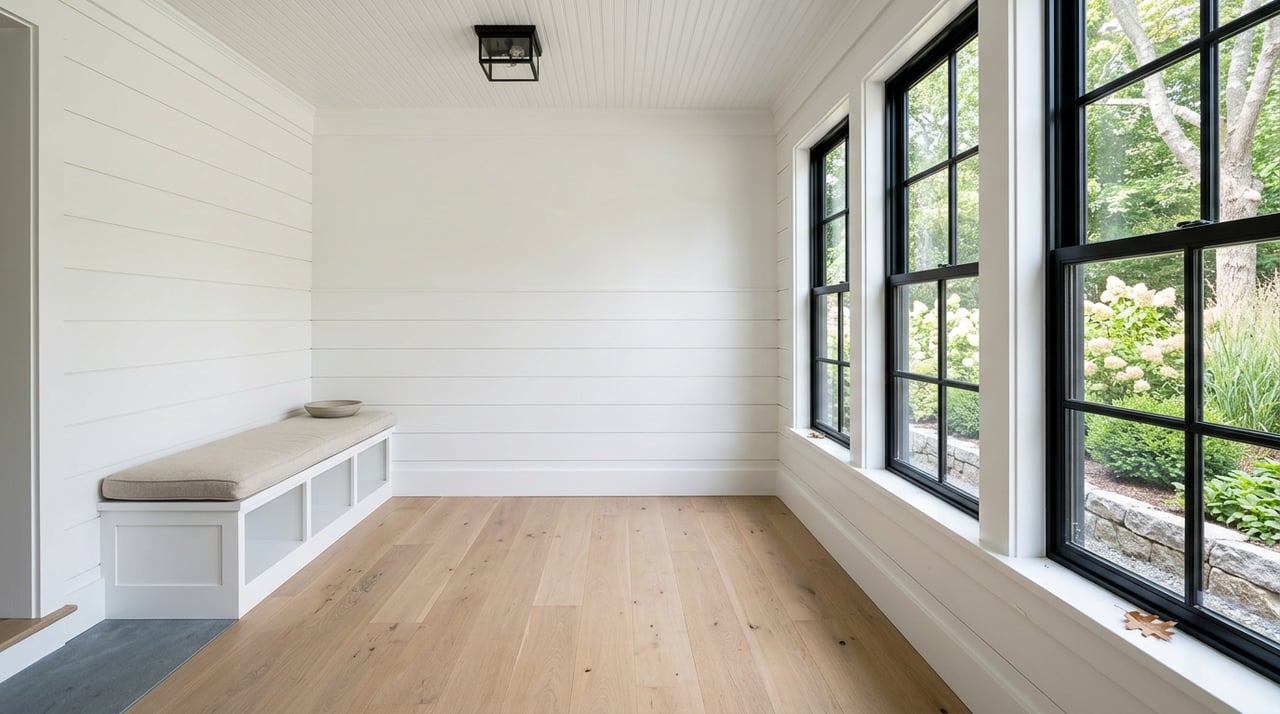
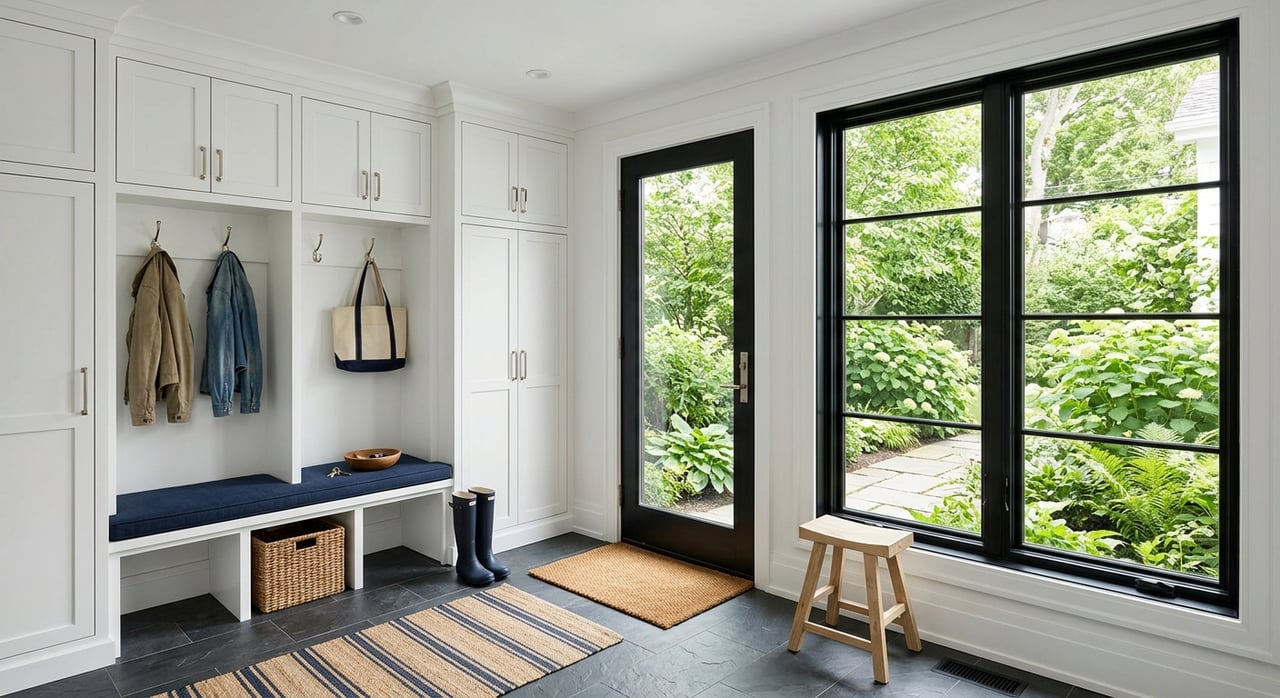
Pack away least-used items, excess furniture, personal photos, and anything that makes a room feel smaller. Closets, pantries, mudrooms, and garages matter too.
Buyers do open doors and drawers. Organized storage supports the message that the home has been well cared for.
Clean to a higher standard
Standard cleaning is not enough for a luxury listing. Windows, baseboards, tile, grout, stainless surfaces, stone, and hardwood floors should all be spotless.
Pay extra attention to kitchens and baths. These rooms often carry an outsized influence on how buyers judge the home as a whole.
Elevate curb appeal first
Your exterior sets the tone before a buyer ever steps inside. In a luxury sale, the first impression should support the asking price immediately.
Make the approach feel intentional
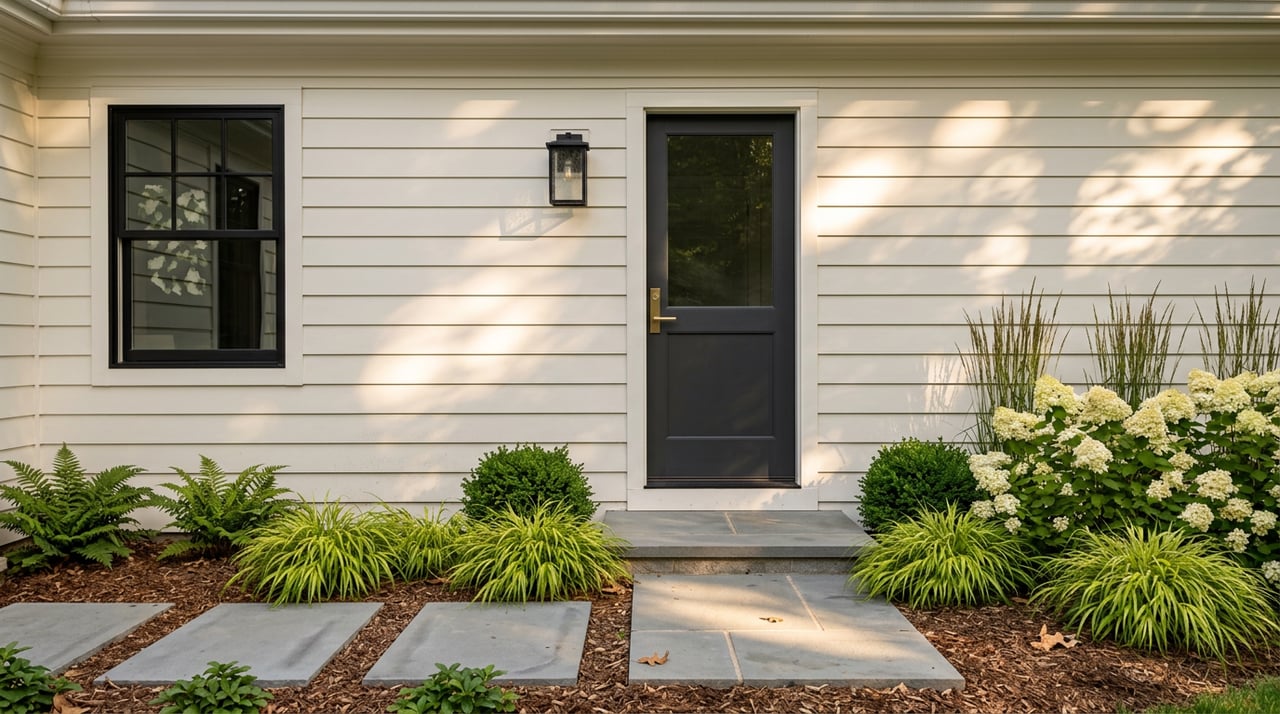
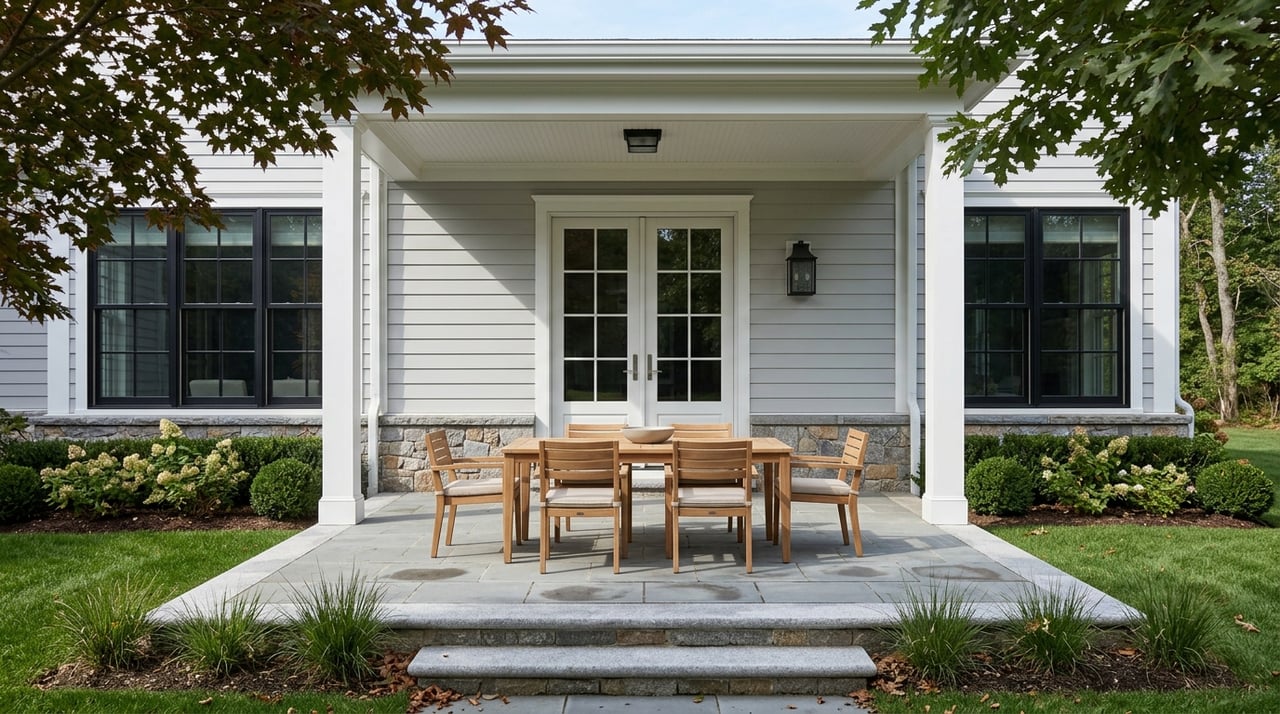
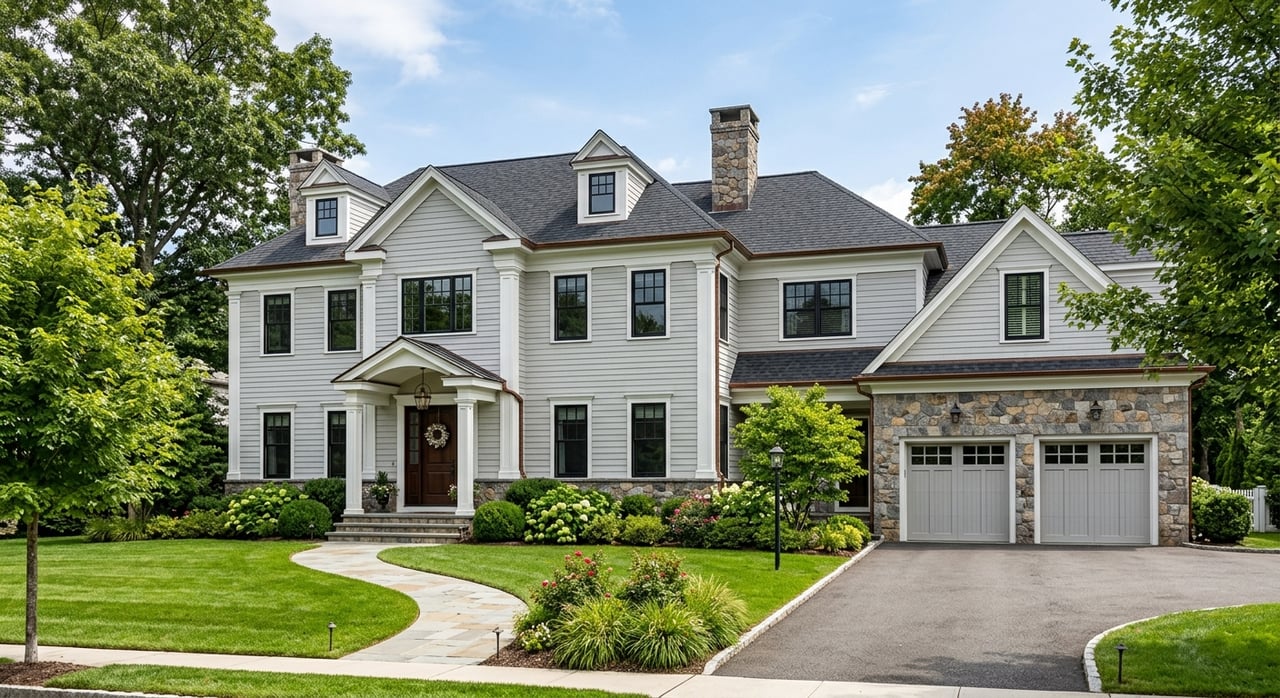
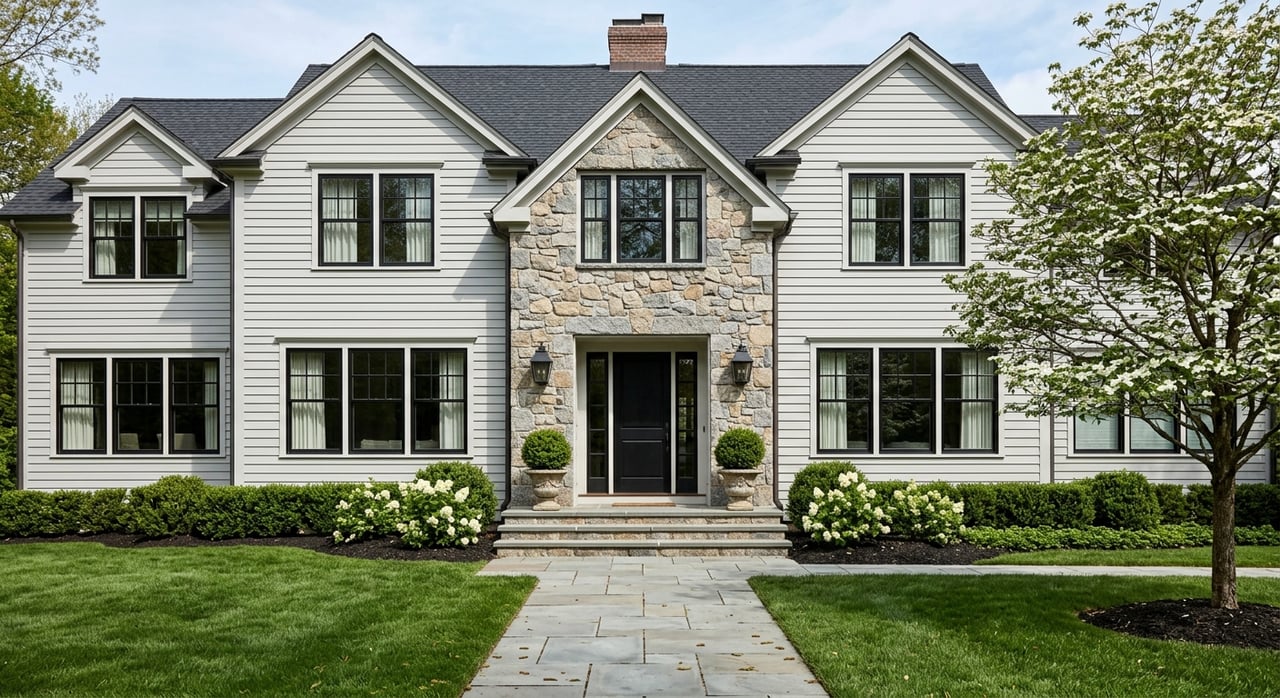
Focus on the elements buyers see first: lawn condition, edging, planting beds, walkway, front steps, entry door, lighting, and driveway appearance. Trim shrubs, freshen mulch, and clear away anything that feels neglected.
For many Trumbull homes, classic New England curb appeal is part of the draw. Clean lines, manicured landscaping, and a defined entry can make the property feel more complete and more valuable.
Match outdoor maintenance to interior quality
If the inside of your home looks polished but the outside feels unfinished, buyers notice the disconnect. The exterior should signal the same level of care as the kitchen, baths, and living spaces.
That consistency matters because it shapes expectations before the showing even begins. Buyers often make an emotional judgment within moments of arrival.
Stage the rooms that matter most
Staging helps bridge the gap between how you live in the home and how a buyer imagines living there. According to NAR’s 2025 Profile of Home Staging, 83% of buyers’ agents said staging made it easier for buyers to visualize a property as a future home.
Prioritize living room, primary bedroom, and kitchen
NAR found that the most important rooms to stage were the living room, primary bedroom, and kitchen. If you do not stage every space, start there.
These rooms shape the emotional core of the showing. They also tend to carry the most weight in photography and online browsing.
Think of staging as marketability
Staging is best viewed as a marketing tool, not a guaranteed price boost. NAR reported that 19% of sellers’ agents said staged homes saw a 1% to 5% increase in offered value, while 30% said staging slightly reduced time on market.
The median spend for a staging service was $1,500 in that report. For many upper-tier sellers, that frames staging as a practical step rather than an extra luxury.
Invest in standout photography
Your online presentation now does much of the selling before a buyer books a showing. NAR reports that 52% of buyers found the home they purchased online, nearly half began their search online, and 81% rated listing photos as the most useful feature.
Prepare for photos before launch
Do not schedule photography until repairs, cleaning, decluttering, and staging are complete. The first few days after your listing goes live are especially important, so your lead photo and image order need to be strong from day one.
In a luxury listing, photos should communicate brightness, scale, flow, and finish quality. If the home is only halfway ready, the market will see that immediately.
Include the right visual assets
NAR also found that buyers’ agents rated photos, physical staging, videos, and virtual tours as important listing assets. For a higher-end Trumbull property, those tools help out-of-area and local buyers evaluate the home before they ever visit in person.
That is one reason polished marketing matters so much. Strong visuals widen the pool of serious buyers and help your home compete at a higher standard.
Price with discipline, not optimism
Even a beautiful home can lose momentum if it is priced too aggressively at launch. In Trumbull, the market is favorable, but active listings and days on market have increased year over year, which means buyers have more choices than they did during tighter periods.
Use current comps and current pace
Your pricing strategy should reflect fresh comparable sales, active competition, and the tempo of today’s market. It should not rely only on what a neighbor got last year or what you hope the home is worth.
That is especially true in the luxury segment, where buyers tend to be selective and timelines can run longer. Correct pricing helps protect interest during the most important early window of exposure.
Follow the right launch sequence
For most Trumbull luxury homes, the strongest order of operations is straightforward:
- Inspect and document the home.
- Decide on repairs and cosmetic updates.
- Deep clean, declutter, and stage.
- Photograph and prepare marketing.
- Launch at a price supported by fresh comps and current market conditions.
This sequence gives you the best chance to enter the market with confidence instead of reacting under pressure.
Work with a strategy, not a scramble
Selling a luxury home in Trumbull is not just about listing it. It is about presenting it at the level buyers expect, backing it with clear documentation, and launching with a pricing and marketing plan that fits today’s market.
When you prepare in the right order, you reduce friction and give your home a better chance to stand out for the right reasons. If you are thinking about selling and want a clear, local plan, connect with scott wright for experienced guidance and a free home valuation.
FAQs
What should luxury sellers in Trumbull do before listing?
- Start with a pre-list inspection, gather disclosures and records, fix major issues, declutter, stage key rooms, and complete photography before launch.
What disclosures are required when selling a home in Connecticut?
- For most residential properties of four dwelling units or less, the seller must furnish the Connecticut Residential Property Condition Report before the buyer signs a binder, contract, option, or lease with a purchase option.
Does a pre-list inspection help when selling a Trumbull home?
- Yes. A pre-list inspection can reveal structural, mechanical, drainage, wiring, HVAC, and safety issues early so you can address them before buyers discover them.
How important is staging for a Trumbull luxury listing?
- Staging can make it easier for buyers to visualize the home, especially in the living room, primary bedroom, and kitchen, and it may also help reduce time on market.
How should a luxury home in Trumbull be priced?
- Price should be based on recent comparable sales, current competition, and today’s market pace, not just on seller expectations or past peak conditions.
Do older Connecticut homes need lead paint disclosures?
- If the home was built before 1978, lead-based paint disclosure rules generally apply to most sales, including disclosure of known hazards and a 10-day inspection or risk-assessment opportunity for buyers.