Thinking about moving up in Trumbull in the next year? Selling your current home while buying your next can feel like a juggling act, especially with rates, inventory, and timing all moving at once. You want to protect your equity, avoid double moves, and land the right home without stress. This guide explains the local factors that shape your sale, the metrics to watch, and practical steps to price, prep, and plan with confidence. Let’s dive in.
Trumbull snapshot to watch
Every move-up sale in Trumbull is shaped by three forces: mortgage rates, inventory by price band, and buyer speed. Rates affect affordability and demand. Inventory tells you how crowded your price tier is. Days on market and sale-to-list ratio reveal how buyers are responding.
Work with fresh, local data. Focus on 3- and 12-month rolling trends rather than a single month so you see the direction, not just noise. If you are listing in a specific band like 500k to 900k, track months of inventory, median days on market, and the typical percent of list price received for that exact band.
Rates and affordability
Mortgage rates have been the biggest driver of buyer demand since 2022. When rates rise, monthly payments go up, and some buyers step back or reduce budgets. When rates improve, more buyers return. Check weekly trends and plan your pricing and timing with your lender and agent so you stay aligned with the rate environment.
Inventory by price band
Inventory in Trumbull can be tight for family-sized homes that meet school-year needs, while upper tiers may move a bit slower. The takeaway for move-up sellers is simple. Know your band. If inventory is low in your sell band and higher in your buy band, you can capture strong demand on your sale while having more options on your purchase.
Speed and pricing signals
Median days on market shows how quickly well-priced homes are moving. The sale-to-list ratio shows how close sellers are getting to asking price. Look at active listings, pending contracts, and recent closings within your neighborhood and school attendance area. Match home type, bedroom count, updates, and lot size so your pricing is apples to apples.
What drives buyers in Trumbull
Schools and family demand
Many buyers choose Trumbull for its public school district and family-friendly housing stock. That often supports steady interest in 3 to 4 bedroom homes with flexible spaces. Keep the language neutral and focus on verified information from district reports when you discuss schools with your agent.
Commute and location
Trumbull attracts buyers who value suburban living with access to the Merritt Parkway and I-95, and proximity to employment centers in Greater Bridgeport and other Fairfield County hubs. Hybrid work has also kept demand strong for homes with an office or extra flex space.
Housing stock and features
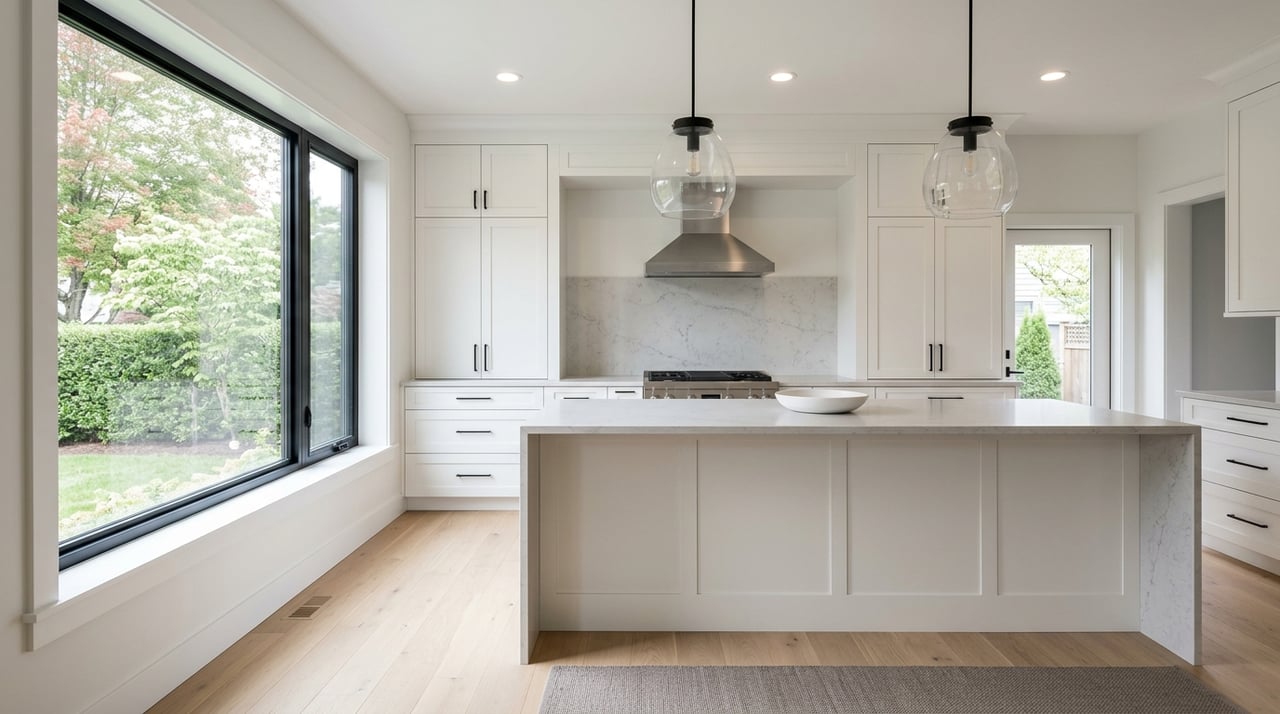
You see many mid-century and later single-family homes, often on well-sized lots. Features that help listings compete include a refreshed kitchen and baths, a primary suite, a finished basement or bonus room, and usable outdoor areas. Move-up buyers want turnkey or lightly updated homes that feel ready on day one.
Taxes and closing costs
Factor in property taxes, the town conveyance or transfer fees, and typical seller closing costs when you estimate your net. Your agent, closing attorney, and the Town of Trumbull assessor can help you confirm current figures for your specific property.
Price smart by band
Pricing is not one-size-fits-all. It is about your exact slice of the market.
- Define your band. Identify if you will list in the 500k to 900k range or 900k and above, then pull months of inventory, median days on market, and sale-to-list ratio for that tier.
- Use the right comps. Choose sales from the last 3 months in your neighborhood, ideally with the same bed count, similar square footage, lot size, and level of updates. Include a few pending sales since they reflect today’s demand.
- Position against actives. Buyers compare you to active listings first. If your home is superior, price at the top of the competitive set. If you are less updated, price with that in mind or plan targeted improvements.
- Match your strategy to conditions. In tight segments, pricing slightly under the most recent comparable can create multiple offers. In softer segments, clear, realistic pricing reduces days on market and avoids costly reductions later.
Reassess after the first 10 to 14 days. If showings are light and feedback points to price, act early rather than chasing the market.
Plan your timeline
Seasonality still matters in Fairfield County suburbs. Spring and early summer typically bring more buyer activity, and many families prefer to close around summer so children do not change schools midyear. That said, serious buyers shop year-round when the right home appears.
- If you want a summer closing, consider listing in late spring, then negotiate a closing or rent-back that fits your schedule.
- If you are flexible, consider a January or February list when competition can be thinner. You may stand out even if buyer traffic is lower.
- Build in time for prep, staging, and professional photos. A clean launch helps you capture early momentum.
Prep that pays
You do not need a full remodel to compete. Focus on high-impact items.
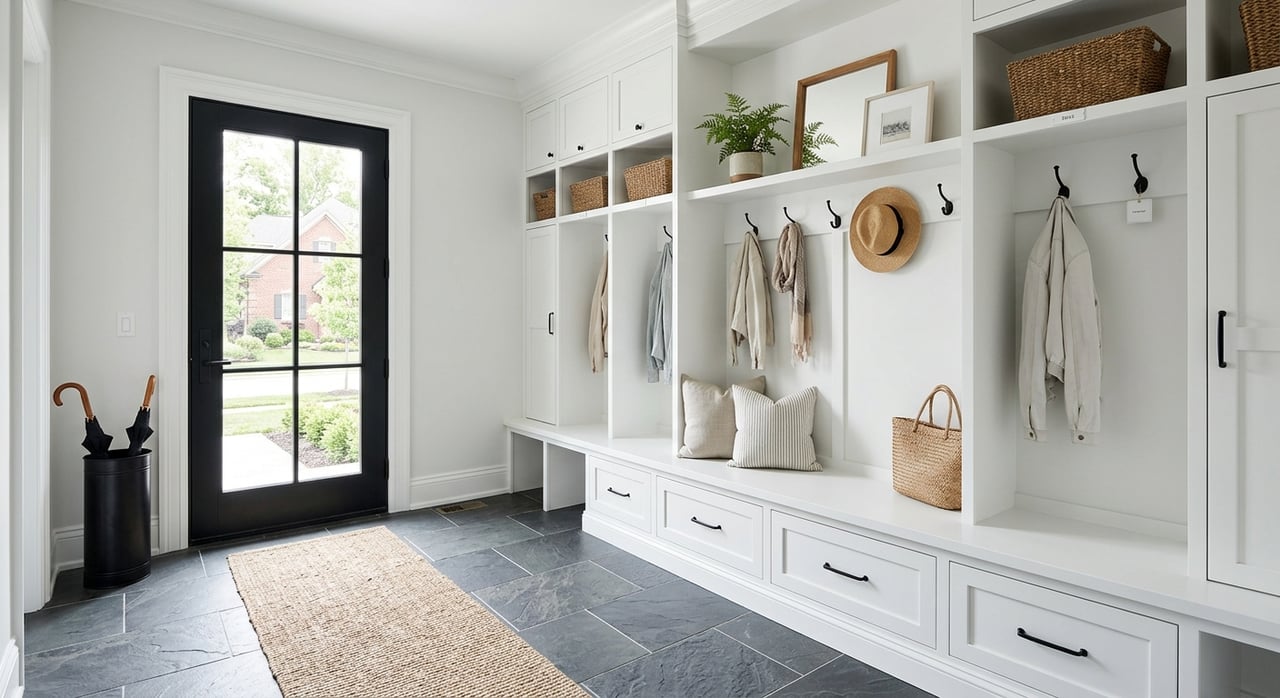
- Declutter, deep clean, and depersonalize. These are simple and powerful.
- Refresh with neutral paint, updated lighting, and new cabinet hardware.
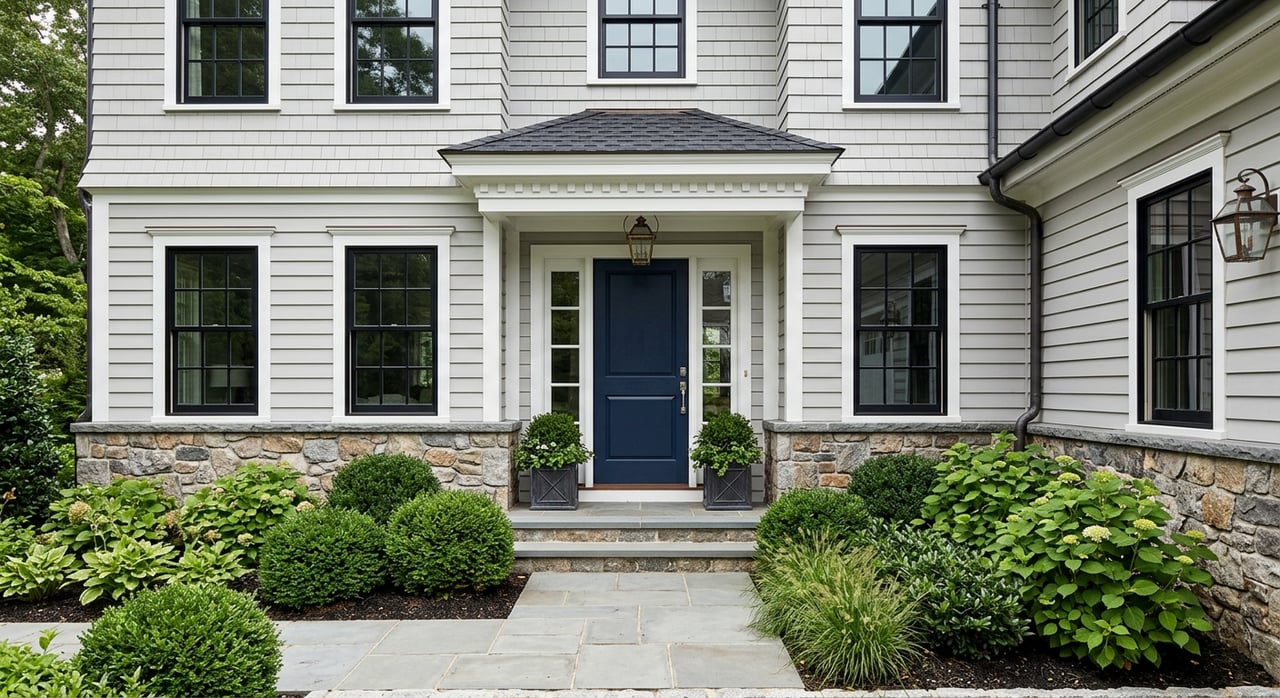
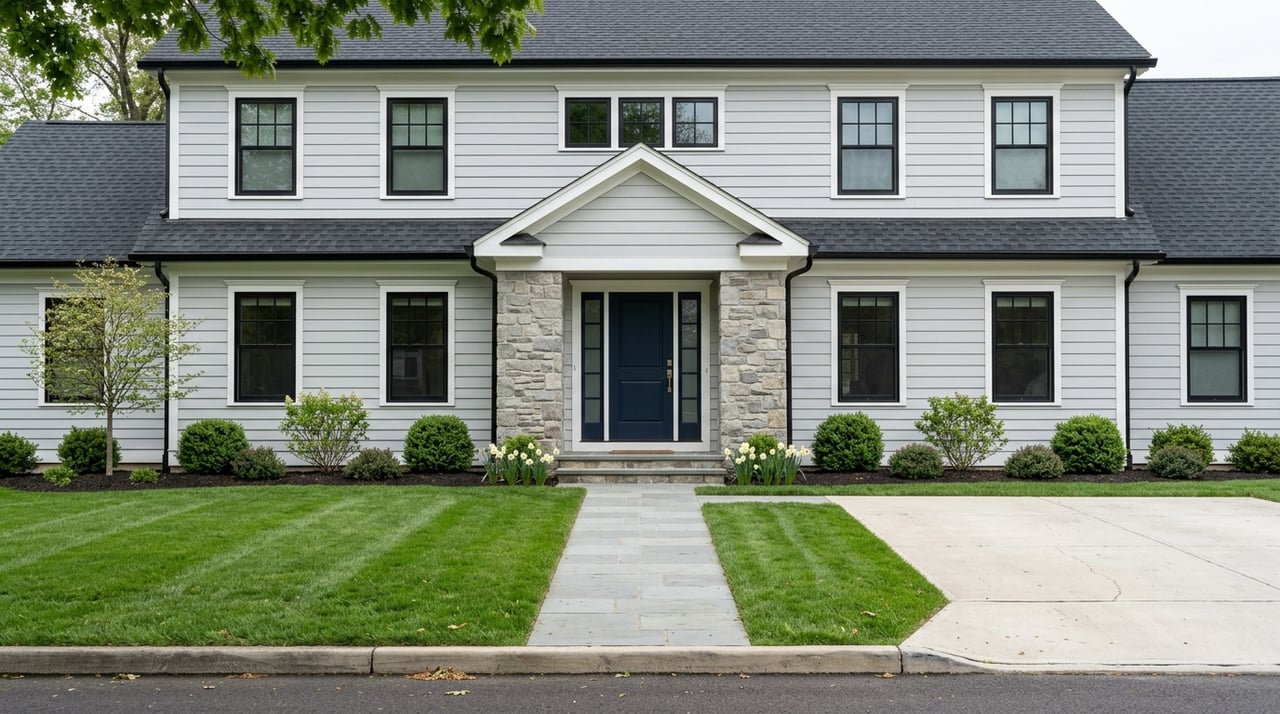
- Tidy landscaping and entry areas for strong curb appeal.
- Address known repairs before the inspection. Consider a pre-list inspection if you have questions about major systems.
- Prioritize updates buyers ask for most in Trumbull: kitchen surfaces, refreshed baths, a comfortable primary suite, and a flexible office or bonus space. A finished or staged lower level can help your home stand out.
Small cosmetic updates and staging often deliver better short-term return than large structural projects. Save major renovations for cases where your price band requires them to compete.
Estimate net proceeds
Your net is what you can carry to the next purchase. Start with a simple worksheet so there are no surprises.
- Estimate sale price based on comps and your pricing strategy.
- Subtract mortgage and lien payoffs. Contact your lender for a current payoff statement.
- Subtract real estate commission and typical seller closing costs, including any town or state transfer fees.
- Subtract pre-list prep, staging, and any repair credits you plan to offer.
- Account for prorations such as property taxes and utilities, where applicable.
- Add back any buyer rent-back income if you negotiate one.
The result is a working estimate. Review it with your agent and a closing attorney, and ask a tax professional about capital gains or other tax considerations for your situation.
Buy and sell options
Move-up sellers usually choose from a few proven paths. Match the strategy to your risk tolerance and finances.
- Sell then buy. This reduces risk and clarifies your budget. You may use temporary housing, or negotiate a rent-back so you can stay in your home for a short period after closing.
- Buy then sell. This gives you more control over the purchase but may require bridge financing, a HELOC, or the ability to carry two mortgages for a short time. Confirm costs and qualifications with your lender.
- Contingent offer. You accept an offer from a buyer who must sell their home first. Protect your timeline with clear deadlines, proof of listing status, and strong pre-approval.
Your agent can help you compare these paths against current inventory in your buy band so you choose the approach that minimizes disruption.
Negotiate with today’s buyers
Negotiation expectations shift with market conditions and price tiers.
- In tighter segments, you may see multiple offers, fewer concessions, and stronger price performance near or above list.
- In softer segments, expect more inspection requests, seller credits, or rate buydown asks. Decide in advance what repairs or credits you will consider so you can respond quickly.
- For contingent offers, request documentation that the buyer’s home is listed, priced correctly, and on track to close. Consider higher earnest money or deadlines that keep your risk low.
The goal is to protect your price and your timeline while keeping the deal moving.
What to track each week
Stay data-driven. Ask your agent for a one-page weekly snapshot that includes:
- New listings and pending contracts in your price band
- Months of inventory and median days on market for your tier
- Sale-to-list ratio and price per square foot trends for similar homes
- A quick check on mortgage rates and buyer traffic
Use 3- and 12-month rolling views so you can spot real shifts over seasonality. If the data pivots, adjust your strategy early.
Your next step
A successful move-up sale in Trumbull starts with band-specific pricing, a clean launch, and a clear plan for your next purchase. You deserve experienced guidance, strong marketing, and hands-on negotiation from start to finish. For a custom pricing analysis, a net-proceeds worksheet, and a buy-sell plan built around your goals, connect with scott wright.
FAQs
Is now a good time to sell a move-up home in Trumbull?
- It depends on your price band, current inventory, and mortgage rate conditions, so review months of inventory, days on market, and sale-to-list ratio for your exact tier before deciding.
How long will my Trumbull home take to sell?
- Timeline varies by price band and property condition, so use median days on market for similar homes and adjust based on your updates, location, and how competitively you price.
Should I renovate before listing in Trumbull?
- Focus on quick-return items like paint, lighting, hardware, landscaping, and selective kitchen or bath refreshes, and save large projects for cases where your price tier demands them.
How do Trumbull schools influence my sale?
- Many buyers consider the public school district when choosing a home, so neutral, verified information and proximity to desired attendance areas can support interest in 3 to 4 bedroom homes.
What are my options if I need to buy and sell at the same time?
- Common paths include selling first with a rent-back, buying first with bridge financing or a HELOC, or accepting a contingent offer with clear timelines and documentation to manage risk.