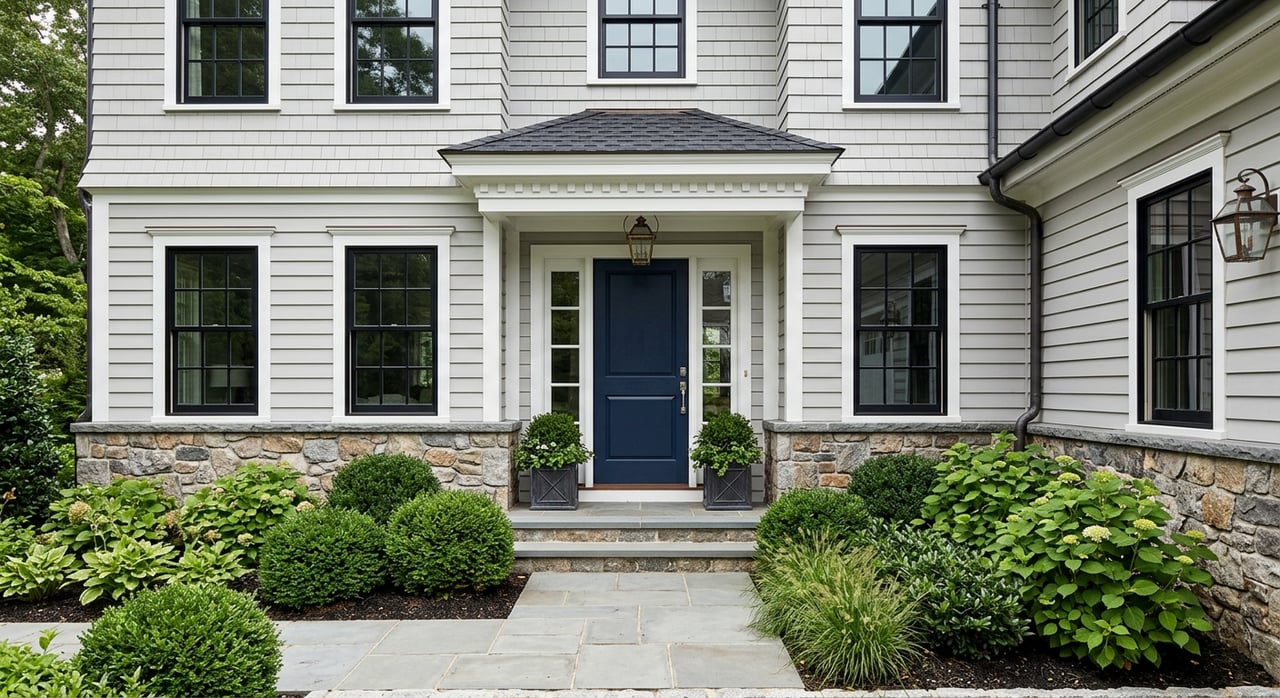
If you love Fairfield but not the upkeep that comes with a larger home, you are not alone. Downsizing often means balancing two big goals at once: getting top value for your current home and finding a smaller place nearby that still fits your lifestyle. With the right plan, you can simplify your next move without leaving the community you know. Let’s dive in.
Why downsizing in Fairfield is different
Fairfield gives you a lot of reasons to stay local. The town has three Metro-North stations, access to I-95 and the Merritt Parkway, and a housing market where many owners have built substantial equity over time, according to the Town of Fairfield community profile.
At the same time, downsizing here comes with a unique challenge. Fairfield’s housing stock is still heavily made up of single-family homes, with town budget data showing 85.1% single-family houses, townhouses, or row houses and 14.7% multi-unit structures in the mix, based on the town’s FY24 approved budget document. That means your search for lower-maintenance options may focus more narrowly on condos, townhomes, or smaller-lot homes.
For many longtime owners, equity is part of the picture too. The same town data shows 33.6% of owner-occupied households are free and clear, which helps explain why many Fairfield homeowners may be able to roll equity from one home into the next.
Start with your downsizing goals
Before you list your current home, define what “staying local” really means for you. Some sellers want less maintenance, while others want easier access to the train, shopping, parking, or everyday services.
A few helpful questions to ask yourself include:
- Do you want a one-level layout or fewer stairs?
- Would a condo or townhouse fit your lifestyle better than another detached home?
- How important are train access and commuting convenience?
- Do you want to be closer to downtown, village-style areas, or major roads?
- Are you comfortable with HOA dues if they reduce exterior maintenance?
This step matters because downsizing is not just about square footage. It is about choosing a home that better supports the way you want to live now.
Prepare your current home to sell well
If you have lived in your home for many years, getting it market-ready may take longer than expected. Fairfield’s town profile notes that 18.0% of householders moved into their home in 1989 or earlier, which is a reminder that many local sellers are sorting through decades of belongings before they ever call a photographer.
That prep work can pay off. In the 2025 NAR staging report, 29% of agents reported a 1% to 10% increase in the dollar value offered when sellers staged, and 49% said staging helped homes sell faster.
Focus on the highest-impact prep
The same NAR report found that the most common seller recommendations were:
- Decluttering
- Cleaning
- Improving curb appeal
For most Fairfield downsizers, that translates into a simple but important roadmap:
- Declutter early so surfaces, closets, and storage areas feel more open.
- Edit furniture to make rooms look larger and easier to navigate.
- Sort keepsakes in stages so you are not making every decision at the last minute.
- Deep clean before photos and showings to present the home at its best.
- Refresh curb appeal with simple landscaping and entry touch-ups.
If you are selling a larger home and planning a smaller move, this sorting process is more than a staging task. It is often the first real step in your transition.
Understand Fairfield market timing
Market conditions can shape both your sale strategy and your next purchase. Recent snapshots show a competitive market, but the numbers vary depending on the source and how each platform measures listings and sales.
For example, Zillow’s Fairfield market data showed 103 for-sale listings, a median sale price of $859,567, and 7 days to pending as of March 31, 2026. The research also notes that Realtor.com reported different figures, which is a useful reminder that local pricing and timing decisions should be based on current, property-specific analysis rather than broad headline numbers alone.
In a market where well-prepared homes can move quickly, your timing matters. If you wait to think about the next home until after you accept an offer, you may feel rushed.
Plan the sale and purchase together
One of the biggest downsizing mistakes is treating the sale and purchase as two separate projects. In reality, they are connected by timing, financing, and logistics.
Nationally, the NAR 2025 Profile of Home Buyers and Sellers found that 54% of repeat buyers used proceeds from a previous home sale to finance their next purchase. That is especially relevant when you are using equity from your Fairfield home to fund the next move.
Four timing options to consider
Here are the most common ways to structure a downsizing move:
Sell first
This is often the most conservative option. You know exactly how much equity you have to work with before buying your next home, but you may need temporary housing if you cannot line up both closings closely.
Buy first with bridge financing
A bridge loan can make it possible to buy before your current home sells. According to Fannie Mae guidance on bridge and swing loans, the lender must document your ability to carry the current home, the new home, the bridge loan, and your other obligations.
Close both transactions around the same time
This can work, but it takes coordination. The NAR consumer guide to the steps between signing and closing notes that escrow, appraisal, title work, insurance, and related steps may take several weeks or more, depending on the situation.
Negotiate a short leaseback
If your buyer agrees, you may be able to stay in your current home briefly after closing. NAR notes that this arrangement should be put in writing, insurance should be addressed, and many lenders will not accept leasebacks longer than 60 days.
Budget for the next home carefully
A smaller home does not always mean a dramatically lower monthly cost. According to the Consumer Financial Protection Bureau, closing costs typically run 2% to 5% of the purchase price, and buyers should also budget for taxes, insurance, maintenance, utilities, and any HOA dues.
That is especially important if you are moving from a detached home into a condo or townhouse. You may reduce lawn care or exterior maintenance, but you could take on monthly association costs instead.
Compare financing before you buy
If you will finance the next property, shop carefully. The CFPB’s guidance on requesting multiple Loan Estimates says lenders must provide a Loan Estimate within three business days after receiving the required information, and comparing offers can save borrowers $600 to $1,200 per year.
The same CFPB guidance also notes that condo financing can cost slightly more at the lending stage. If attached housing is part of your downsizing plan, it helps to compare like-for-like estimates early.
Where to look in Fairfield
There is no one “best” place to downsize in Fairfield. The better approach is to focus on practical features like walkability, train access, parking, and lower-maintenance housing.
Fairfield’s official neighborhood map includes areas such as Southport, Sasco Hill, Fairfield Beach, Pine Creek, Reef Road, Mill Hill, University, Fairfield Woods, Stratfield, Tunxis Hill, Kings Highway, and Greenfield Hill, according to the town’s residential neighborhood map.
Consider lifestyle, not just neighborhood names
For some buyers, Southport stands out because of village access and proximity to the train. The town notes Fairfield has three Metro-North stations, and research shows Southport Crossing is within walking distance of the Southport station. That may appeal if you want convenience, though the best downsizing fit there may be an attached unit or smaller home rather than a larger historic property.
Downtown Fairfield and nearby areas can also be practical if you want easier access to parking, shopping, and major roads. Official town property information highlights downtown parking and access to I-95, while Fairfield Woods Plaza is described as a key retail corridor with convenient access to both the Merritt Parkway and I-95, based on the Town of Fairfield properties resource.
Know your attached-home options
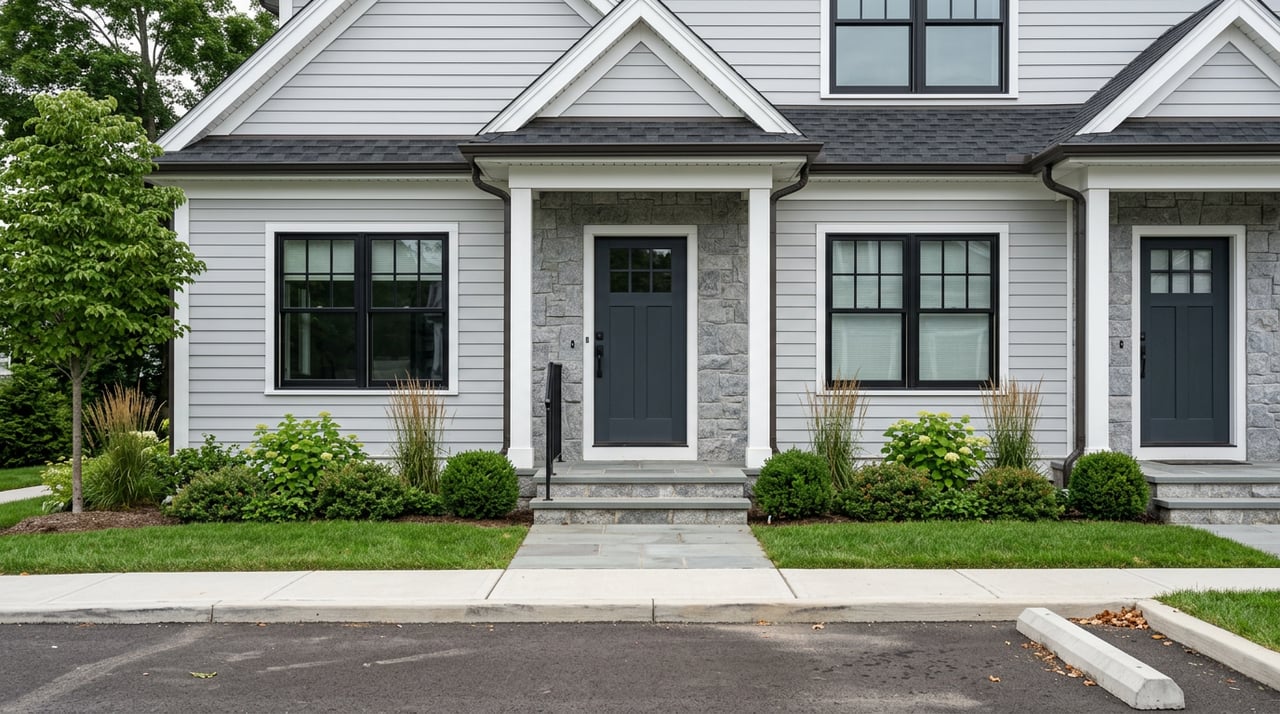
If low maintenance is a top goal, Fairfield does offer condo and townhouse communities. The town’s assessor inventory includes communities such as Chatham Landing I and II, Kings Court Commons, Country Walk, Village at Southport, Spruce Commons, Oldfield Commons, and Welch Terrace, according to the 2020 Town of Fairfield Revaluation Manual.
That does not mean every option will match your budget, timing, or layout needs. It does mean you can stay in Fairfield and still explore housing types that may better fit this next chapter.
Staying local can support your lifestyle
For many homeowners, the goal is not just a smaller property. It is staying connected to familiar routines, services, and community resources.
Fairfield’s Age-Friendly initiative notes that work is underway on transportation, housing, social participation, and engagement, and the Bigelow Center for Senior Activities remains a town resource for older adults, according to the town backup materials. If staying local matters to you, those kinds of resources can be part of the decision.
Why guidance matters in a downsizing move
Downsizing usually involves more than pricing a home and scheduling movers. You may be coordinating staging, repairs, decluttering, financing, a purchase search, and a closing timeline that needs to work on both ends.
That is one reason experienced representation still matters. NAR reports that 91% of sellers used a real estate agent in 2025, and sellers continue to value help with pricing, marketing, negotiation, and timing. In a market like Fairfield, where many owners have lived in their homes for years and attached housing options are more limited than detached homes, having a clear strategy can reduce stress and protect your flexibility.
If you are thinking about downsizing in Fairfield, a thoughtful plan can help you sell confidently, stay local, and make your next move with less guesswork. When you are ready to talk through timing, pricing, and the best options for your next chapter, connect with scott wright.
FAQs
What does downsizing in Fairfield usually mean for housing choices?
- In Fairfield, downsizing often means looking at condos, townhomes, attached communities, or smaller-lot homes because the town’s housing stock is still largely single-family.
How should Fairfield homeowners prepare a larger home before downsizing?
- Start early with decluttering, cleaning, furniture editing, and curb appeal improvements so your home is ready for photos, showings, and stronger buyer interest.
How can Fairfield downsizers coordinate selling and buying at the same time?
- Common options include selling first, buying first with bridge financing, closing both transactions close together, or negotiating a short leaseback after closing.
What costs should Fairfield downsizers budget for when buying the next home?
- In addition to the purchase price, plan for closing costs, taxes, insurance, utilities, maintenance, and any HOA dues that may come with a condo or townhouse.
Which Fairfield areas may appeal to homeowners who want to stay local after downsizing?
- Buyers often focus on areas with practical features like train access, parking, shopping convenience, and lower-maintenance housing options, including parts of Southport, downtown Fairfield, and select condo or townhouse communities.